

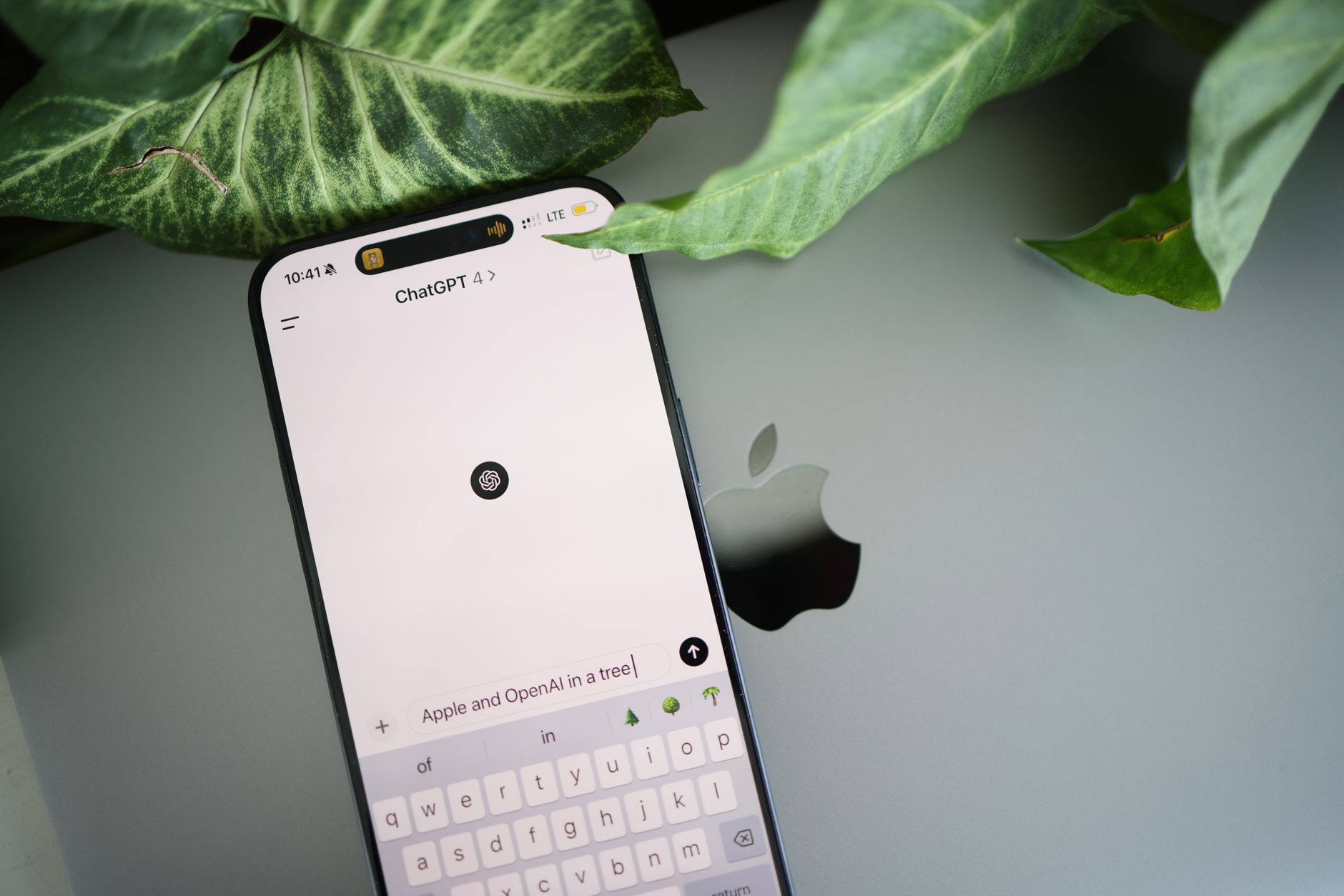
Apple AI news reveals that the recent Siri AI release has left many users disappointed. Concerns about its capabilities and performance continue to grow.
Overview of Apple’s AI Strategy
Apple’s recent foray into artificial intelligence has drawn significant attention, but the response has been less than enthusiastic. The latest updates related to Siri, Apple’s voice assistant, have raised concerns among users and analysts alike. Critics argue that the Apple AI news surrounding the recent Siri release highlights a lack of innovation and responsiveness to user needs.
In recent months, Apple has emphasized its commitment to integrating AI into its products. However, many feel that the implementation has not met expectations. Several key areas have been identified where Siri’s performance has lagged:
- Understanding Context: Users have reported that Siri struggles to grasp context in conversations, leading to misunderstandings and frustration.
- Task Execution: The ability to perform complex tasks has not significantly improved, leaving users longing for more capabilities.
- Integration with Other Services: Siri’s compatibility with third-party applications remains limited, hindering its versatility.
As Apple continues to invest in AI technology, the company faces mounting pressure to address these shortcomings. Stakeholders are eager to see how Apple will pivot its strategy moving forward, especially in light of the criticism surrounding the latest Siri release.
User Reactions to Siri’s Performance
User reactions to the recent Siri AI release have been overwhelmingly negative, raising significant concerns about Apple’s AI strategy. Many users have taken to social media to express their disappointment, highlighting a range of issues that have emerged since the update.
- Inaccurate Responses: Users report that Siri often misunderstands commands, leading to frustration and inefficiency.
- Lack of Improvements: Despite promises of enhanced functionality, many feel that the new features are either underwhelming or not user-friendly.
- Performance Issues: Frequent lag times and crashes have been noted, particularly when responding to complex queries.
- Comparisons to Competitors: Some users have compared Siri’s performance unfavorably to other AI assistants, prompting discussions about Apple’s place in the market.
Many long-time users of Siri have expressed a sense of betrayal, feeling that the latest update has not only failed to meet their expectations but has also regressed in usability. As Apple continues to navigate its AI developments, the feedback from the community suggests a pressing need for improvements and a reevaluation of their approach to AI technology.
With concerns about Siri’s effectiveness mounting, the question remains whether Apple can regain user trust in its AI capabilities. The latest Apple AI news serves as a reminder of the challenges ahead for the tech giant.
Comparing Siri AI with Competitors
As Apple continues to navigate the competitive landscape of artificial intelligence, a comparison of Siri AI with its primary competitors reveals significant challenges. While Apple AI news has focused on the latest Siri release, many users are expressing disappointment in the assistant’s capabilities.
Competitors like Amazon’s Alexa and Google Assistant have set a high bar in terms of functionality and user experience. Here are some key differences:
- Voice Recognition: Both Alexa and Google Assistant have demonstrated superior voice recognition, allowing for more natural interactions. Users often find that these competitors understand context better than Siri.
- Integration: Alexa and Google Assistant seamlessly integrate with a wider array of smart home devices. This creates a more cohesive ecosystem, which is essential for users who rely heavily on home automation.
- Response Accuracy: Surveys indicate that users report more accurate and relevant responses from Google Assistant compared to Siri, leading to frustrations with Apple’s offering.
- Continuous Learning: Competitors utilize machine learning techniques more aggressively, allowing their AIs to improve over time. In contrast, many Siri users feel that updates have not significantly enhanced performance.
In light of these comparisons, the recent Apple AI news suggests that Siri may need a substantial overhaul to remain competitive in the evolving AI landscape.
Future Prospects for Apple’s AI
As Apple navigates the challenges of its recent AI developments, the future prospects for the company’s artificial intelligence initiatives remain uncertain. With the Siri AI release receiving considerable criticism, many industry experts are questioning whether Apple can regain its competitive edge in the AI landscape. This situation highlights the importance of innovation and responsiveness to user feedback.
Recent reports indicate that Apple is actively investing in enhancing its AI capabilities. The company aims to address the shortcomings identified in the Siri AI performance, which has left many users feeling underwhelmed. To achieve this, Apple may focus on several key areas:
- Improving Natural Language Processing: By refining its algorithms, Apple seeks to enable Siri to better understand and respond to user requests.
- Integrating User Feedback: Actively listening to consumers can help Apple identify pain points and areas for improvement.
- Leveraging Machine Learning: Utilizing advanced machine learning techniques could enhance Siri’s ability to learn from interactions and provide more personalized experiences.
Ultimately, the future of Apple’s AI hinges on its ability to adapt and evolve in response to both user needs and competitive pressures. As the tech giant works to redefine its AI strategy, stakeholders will be closely monitoring the developments to determine if Apple can effectively turn the tide on the current dissatisfaction surrounding its AI offerings.
Expert Opinions on AI Developments
Experts in the field of artificial intelligence have expressed mixed feelings regarding the latest developments in Apple’s AI offerings, particularly the much-anticipated Siri update. While some praised the company for its ongoing commitment to innovation, others have raised significant concerns about the effectiveness of the new features.
Dr. Emily Johnson, a leading AI researcher, pointed out that, despite Apple’s advancements, the Siri AI release has not met user expectations. “The technology is impressive on paper, but in real-world applications, it falls short,” she stated. “Apple AI news often highlights their vision, but the execution seems lacking.”
Another expert, Professor Mark Thompson, noted that with major competitors like Google and Amazon continuously improving their voice assistants, Apple faces an uphill battle. “The gap is widening,” he remarked. “If Apple doesn’t enhance its AI capabilities quickly, it risks losing its foothold in the market.”
Additionally, Dr. Lisa Chen, a data scientist, emphasized the importance of user feedback. “Apple must listen to its customers and make significant improvements,” she advised. “The future of Siri depends on its ability to adapt and evolve based on real user experiences.”
As discussions around Apple AI news continue, the pressure mounts for the tech giant to address the flaws in Siri and deliver the performance that users have come to expect.
Challenges Facing Siri’s Improvement
Despite Apple’s dominance in the tech industry, the latest Siri AI release has raised significant concerns among users and industry experts alike. The challenges facing Siri’s improvement are multifaceted and warrant close examination.
One of the primary issues is the integration of machine learning capabilities. While Apple has made strides in AI, many users feel that Siri still lacks the contextual understanding that competitors provide. This deficiency leads to frustration when users expect Siri to grasp nuanced commands or remember past interactions.
Additionally, the accuracy of voice recognition is another stumbling block. Users frequently report that Siri misinterprets commands or fails to respond altogether, which diminishes the overall user experience. This has fueled skepticism about Apple’s commitment to enhancing its AI technology.
Furthermore, there are concerns about the privacy practices that surround Siri. Apple has long positioned itself as a champion of user privacy, but some users question whether the data collected for improving Siri’s capabilities is handled appropriately. This skepticism can hinder user trust and willingness to engage with Siri more actively.
Lastly, the competition is fierce. Companies like Google and Amazon are continually updating their AI assistants, setting high benchmarks that Siri struggles to meet. As the Apple AI news unfolds, these challenges will be critical in determining the future trajectory of Siri’s development.
Market Impact of New AI Releases
The recent release of Apple’s AI updates, particularly with Siri, has sent ripples through the market, leading to a reevaluation of the company’s position in the rapidly evolving AI landscape. Investors and analysts are increasingly concerned about the implications of the underwhelming performance of Siri, as highlighted in the latest Apple AI news.
Following the launch, stocks in major AI competitors saw a notable uptick, reflecting growing confidence in their capabilities over Apple’s offerings. This shift in market sentiment is evidenced by:
- Increased Investment: Companies like Google and Amazon are experiencing a surge in investments, as stakeholders seek to capitalize on their advancements in AI technology.
- Market Share Shifts: Analysts predict potential losses in market share for Apple, as users may gravitate towards more reliable AI assistants that offer enhanced functionality.
- Consumer Sentiment: The disappointment with Siri has spurred discussions among consumers, leading to a decline in brand loyalty as users explore alternatives.
This current environment poses significant challenges for Apple, compelling the tech giant to reassess its AI strategies and innovations. As the landscape becomes more competitive, the pressure is on Apple to enhance its offerings and restore confidence among users and investors alike.
What Users Expect from AI Assistants
As Apple continues to navigate the evolving landscape of artificial intelligence, user expectations from AI assistants like Siri remain high. Many users anticipate a seamless and intuitive experience that enhances their daily tasks through advanced capabilities. The following points illustrate what users expect from AI assistants:
- Natural Language Understanding: Users want AI assistants to comprehend and respond to queries in a conversational manner, minimizing misunderstandings.
- Personalization: A tailored experience that adapts to individual preferences and usage patterns is crucial for user satisfaction.
- Integration with Ecosystem: Seamless integration across devices and applications is essential, allowing users to access their information and tools effortlessly.
- Proactive Assistance: Users look for AI that can anticipate needs and offer suggestions before they are explicitly requested.
- Privacy and Security: With growing concerns over data privacy, users expect robust security measures that protect their information while using AI services.
The recent Apple AI news has highlighted a gap between user expectations and the current capabilities of Siri. As competitors like Google and Amazon continue to innovate, Apple must address these concerns to regain user trust and enhance its AI offerings in the future.
The latest Apple AI news highlights growing concerns among users about the performance of Siri. Many believe that the worst Siri AI release may hinder Apple’s reputation in the competitive AI landscape.
Photo by Solen Feyissa on Pexels
Sources
Related stories
- Crazy Taxi movie: Exciting news for Sega fans!
- Is the Diablo 5 Announcement the Best News for Gamers?
- iPhone 18 Pro price: Is it worth the high cost?