

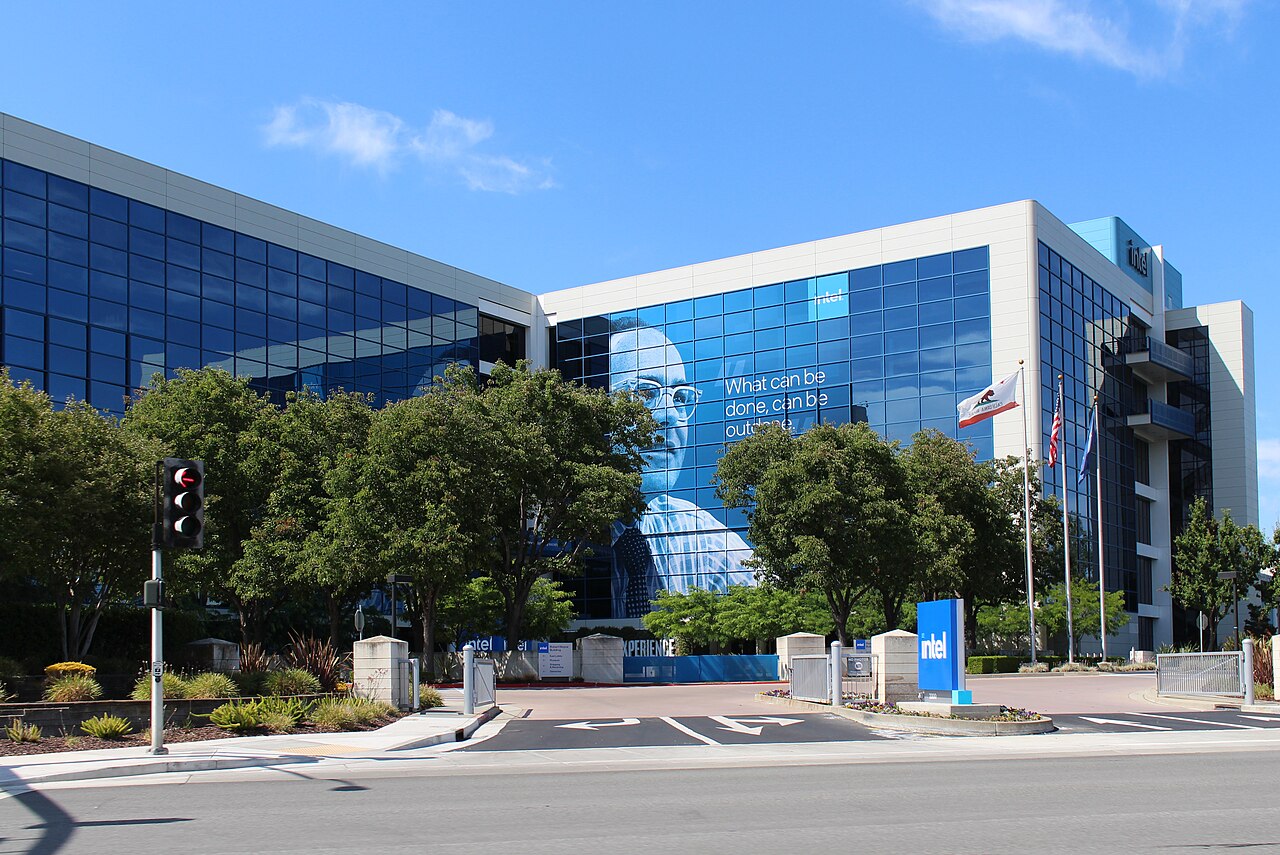
Intel price forecast is crucial for investors aiming to understand market trends. With recent developments in the tech industry, staying informed is essential for making smart investment decisions.
Understanding Intel’s Market Position
Intel’s market position has been a topic of significant interest among investors, especially in light of recent developments in the tech industry. The company’s efforts to innovate and maintain competitiveness are crucial, particularly as it faces challenges from rivals like Nvidia. Analysts have noted that despite Nvidia’s substantial investment in Intel’s Xeon processors, which totaled $5 billion, the overall sentiment towards Intel remains cautious.
Several factors contribute to the current Intel price forecast, including:
- Technological Advancements: Intel is working on new technologies that could enhance its product offerings.
- Market Competition: The increasing competition from AMD and Nvidia places pressure on Intel’s pricing strategies.
- Investment in Research: Ongoing investments in research and development are essential for maintaining a competitive edge.
- Supply Chain Issues: Current supply chain challenges can impact production and delivery times.
Moreover, analysts caution that while Intel’s fundamentals are strong, the market dynamics driven by competitors could lead to fluctuating stock performance. Understanding these elements is vital for investors looking to navigate the complexities of Intel’s market landscape and make informed decisions based on the latest Intel price forecast.
Recent Nvidia Investments Explained
In recent developments, Nvidia has made significant investments in Intel’s Xeon 6 processors, contributing to a growing interest in the tech giant’s future. Analysts are now closely examining the implications of this investment on the Intel price forecast, as Nvidia’s commitment of $5 billion signals confidence in the potential of Intel’s enterprise offerings.
This strategic partnership highlights several key points:
- Market Confidence: Nvidia’s decision to invest heavily in Intel suggests a belief in the company’s ability to deliver competitive products in the high-performance computing sector.
- Product Synergy: The collaboration may lead to enhanced capabilities for both companies, integrating Nvidia’s graphic processing strengths with Intel’s processing power.
- Long-term Growth: Analysts speculate that this investment could positively influence Intel’s market position, potentially leading to a positive shift in its price forecast.
Despite Nvidia’s bold move, some analysts remain cautious, emphasizing that while the investment is promising, Intel must continue to innovate to stay ahead of competitors. The market will be watching closely as these developments unfold, particularly in light of the anticipated shifts in the semiconductor landscape.
Analyst Predictions for Intel
Analysts have been closely monitoring Intel’s performance as they adjust their price forecasts for the tech giant. Recent movements in the semiconductor market and competition from rivals such as Nvidia have prompted a reevaluation of Intel’s growth potential. Several key predictions have emerged from reputable financial experts in the industry.
- Short-Term Stability: Some analysts believe that Intel’s price will remain stable in the short term, with a moderate upside expected. This is attributed to ongoing demand for its chips in various sectors, including data centers and AI technologies.
- Long-Term Growth Potential: Others are more optimistic, suggesting that advancements in Intel’s manufacturing processes and product lines could lead to significant growth over the next few years. This view supports a bullish long-term price forecast for Intel.
- Market Sentiment: Sentiment around Intel has been mixed, with some investors expressing caution due to competitive pressures. However, many analysts maintain that Intel’s investments in innovation will eventually pay off, aligning with a positive price forecast.
Overall, the consensus on Intel’s prospects appears cautiously optimistic, underscoring the need for investors to stay informed about market trends. The Intel price forecast remains a critical aspect of investment strategies as analysts navigate a rapidly evolving tech landscape.
The Impact of Xeon on Intel’s Future
The recent investment by Nvidia in Intel’s Xeon processors has raised significant interest among investors regarding the Intel price forecast. With a hefty $5 billion commitment, Nvidia’s decision underscores the critical role of Xeon in shaping Intel’s competitive advantage in the data center market. This strategic move is expected to bolster Intel’s market share, especially as demand for high-performance computing continues to surge.
Xeon processors are pivotal for enterprises that require robust solutions for data processing and cloud services. As more companies transition to cloud-based infrastructures, the dependency on powerful processors like Xeon is likely to increase. This could lead to a positive trajectory for Intel’s revenues, potentially impacting its stock price favorably.
However, analysts remain cautious, pointing out that while Nvidia’s investment is a vote of confidence, Intel still faces fierce competition from AMD and other players in the semiconductor space. Many analysts are watching closely to see how Intel leverages this opportunity to innovate and enhance its product offerings.
In summary, the future of Intel appears intertwined with the success of its Xeon line. If managed effectively, it could significantly influence the Intel price forecast and investor sentiment moving forward, making it a key area of focus for stakeholders.
Comparing Intel and Nvidia Strategies
In the rapidly evolving semiconductor industry, Intel and Nvidia have adopted distinct strategies that underline their respective market positions. While Intel focuses on enhancing its traditional CPU offerings, Nvidia has shifted its emphasis towards graphics processing units (GPUs) and artificial intelligence. This divergence is pivotal when considering the Intel price forecast.
Intel’s approach centers around significant investments in its manufacturing capabilities and the development of new architectures aimed at reclaiming market share. By leveraging its long-standing expertise in CPU production, Intel is striving to maintain its relevance in a market increasingly dominated by specialized chips and AI technologies.
On the other hand, Nvidia is capitalizing on its stronghold in the AI sector, having recently invested $5 billion in its data center division, which includes the Xeon product line. This strategic pivot allows Nvidia to expand its influence beyond gaming into enterprise solutions, which has proven lucrative.
The competition between these two tech giants is further heightened by their contrasting approaches to research and development. Intel’s recent advancements in Xeon technology are designed to bolster its offerings, while Nvidia continues to push the envelope with cutting-edge GPU capabilities. As investors analyze these strategies, the Intel price forecast will largely depend on how effectively the company can adapt to these market shifts.
What Investors Should Know About Intel
As investors look toward the future, understanding the dynamics surrounding Intel is crucial. The company’s performance is influenced by various factors, including market competition, technological advancements, and strategic investments. One significant aspect is how Intel’s ongoing innovation in chip technology can impact its price forecast.
Intel has been investing heavily in research and development to maintain its competitive edge. This commitment is vital as the semiconductor industry continues to evolve rapidly. Here are several points investors should consider:
- Competitive Landscape: Intel faces fierce competition from companies like Nvidia and AMD, which are also pushing the boundaries of chip performance.
- Market Demand: The growing demand for AI and machine learning applications could drive Intel’s sales, impacting its overall price forecast.
- Strategic Partnerships: Collaborations with other tech giants may enhance Intel’s market position and fuel growth.
- Supply Chain Issues: Any disruptions in the supply chain can affect production schedules and, consequently, Intel’s stock performance.
In light of these factors, investors should remain vigilant and continuously reassess their strategies regarding Intel. Staying informed about industry trends and company announcements will be crucial for making sound investment decisions related to Intel’s price forecast.
Current Trends in Tech Investments
As the tech landscape continues to evolve, current trends indicate a shift in investor sentiment, particularly concerning semiconductor giants like Intel. With the growing demand for advanced computing technologies, many are closely monitoring the Intel price forecast to gauge potential opportunities. Analysts point out that the rise of artificial intelligence and machine learning applications has sparked increased interest in companies that can deliver high-performance chips.
Investors are keen on identifying the best strategies to navigate this rapidly changing environment. Key trends observed include:
- Increased R&D Spending: Companies are pouring resources into research and development to stay competitive, with Intel making significant investments to enhance its product lineup.
- Market Volatility: The tech sector has seen fluctuations in stock prices, prompting investors to be more cautious and strategic in their decisions.
- Focus on Sustainability: There is a growing emphasis on sustainable practices, with companies working to reduce their carbon footprint and improve energy efficiency.
- Collaborative Ecosystems: Partnerships between tech firms are becoming more prevalent, allowing for shared resources and knowledge to boost innovation.
In conclusion, understanding these trends is crucial for investors looking to make informed decisions regarding Intel and its competitors in the semiconductor market.
Future Outlook for Intel and Nvidia
As the tech landscape continues to evolve, the future outlook for both Intel and Nvidia remains a topic of significant interest among investors. With Intel’s price forecast indicating potential volatility, understanding the market dynamics around these two giants is crucial.
Analysts suggest that Intel’s strategic moves, including advancements in its Xeon processor line, are aimed at reclaiming market share lost to Nvidia. This competitive edge may influence Intel’s pricing strategies, ultimately affecting its stock performance. Moreover, Nvidia’s recent $5 billion investment in its own technology could intensify the rivalry, prompting Intel to respond vigorously.
In light of these developments, several factors will play a pivotal role in shaping Intel’s future:
- Market Demand: The growing need for advanced computing solutions is expected to fuel competition.
- Technological Innovation: Continued R&D investment is essential for Intel to maintain its relevance.
- Financial Performance: Analysts will closely monitor revenue growth and profit margins as indicators of future stability.
- Investor Sentiment: Market perception will greatly influence Intel’s stock trajectory.
Ultimately, while Nvidia’s aggressive tactics challenge Intel, the latter’s historical resilience and strategic pivots could set the stage for a robust comeback in the tech industry.
Investors should closely monitor the Intel price forecast to make informed decisions about their portfolios. Recent trends suggest that understanding the Intel price forecast can provide valuable insights into potential market movements.
via Wikimedia Commons
Where this came from
You might also like
P-HJT Modules: Proven Success in Reaching Orbit · Dead by Daylight Codes: Essential Questions About Redeeming Rewards · Is the AI Quantum Computing Partnership the Best Solution?