

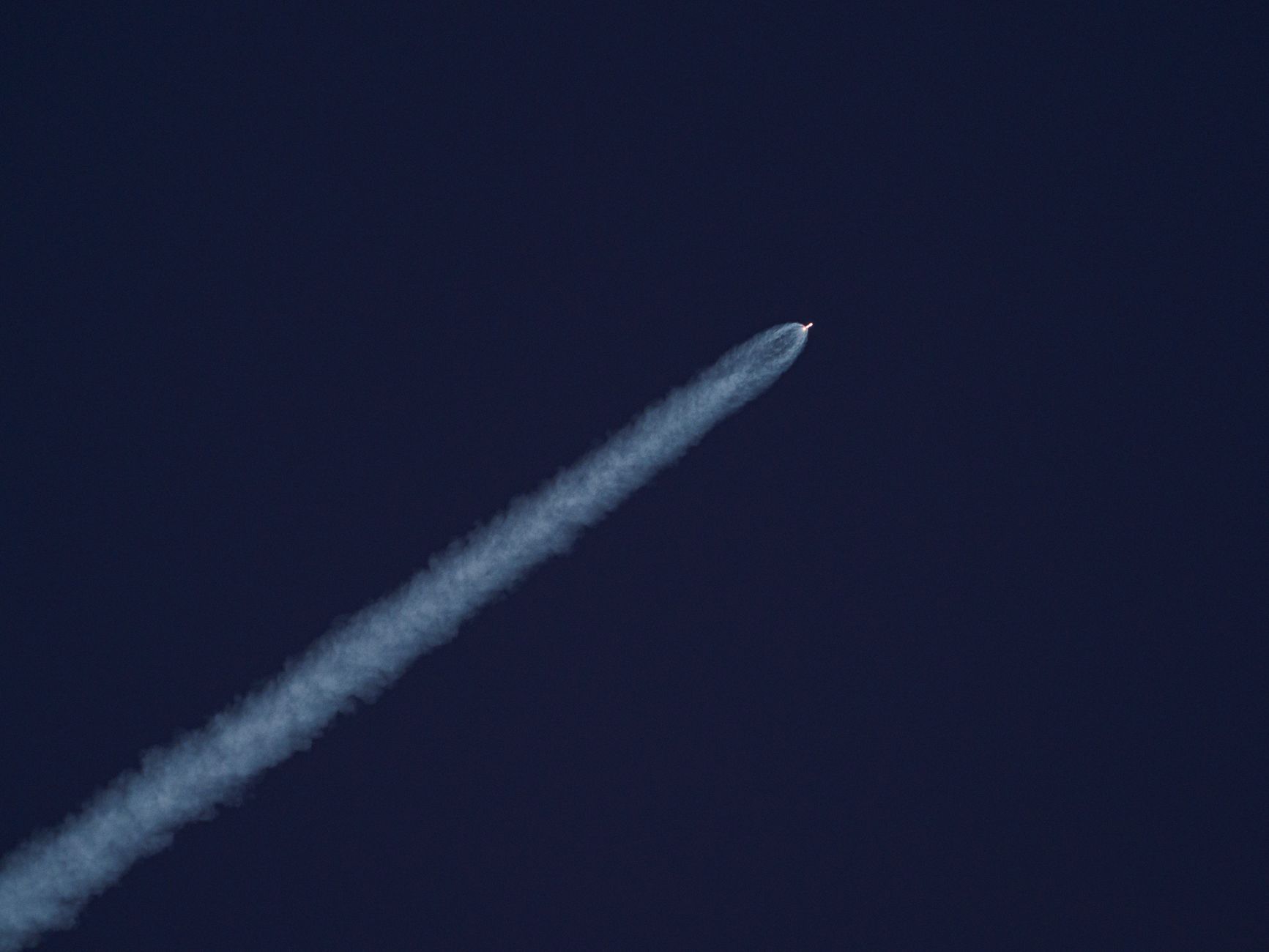
China rocket launches have intensified recently, with the country successfully launching four rockets in just 45 hours, marking a significant step in the mega constellation race.
Recent China Rocket Launches
In a remarkable display of technological prowess, China has executed a series of rocket launches within a condensed timeframe, marking a significant milestone in its space exploration agenda. Over the course of just 45 hours, the nation successfully launched four rockets, showcasing its commitment to expanding its presence in space.
The recent China rocket launches are part of a broader initiative to establish a mega constellation of satellites. This endeavor is aimed at enhancing communication capabilities and providing advanced services for both commercial and governmental applications. The rapid succession of these launches highlights the urgency and competitiveness of the global space race, where nations strive to secure their positions in technological advancements.
Among the notable missions, one of the rockets was tasked with deploying multiple satellites into orbit, contributing to the growing network that will support various applications, including global internet coverage and Earth observation. This strategic move not only reinforces China’s technological capabilities but also emphasizes its ambitions in the rapidly evolving space sector.
As China continues to innovate and expand its rocket launch program, the implications for international collaboration and competition in space are profound, potentially reshaping the landscape of global space exploration in the coming years.
Impact on Global Space Race
The surge in China rocket launches has significantly impacted the global space race, showcasing the nation’s growing capabilities in space exploration and satellite deployment. As various countries strive to enhance their space programs, China’s rapid advancements are prompting other nations to accelerate their own efforts.
One of the most notable effects is the increased competition among spacefaring nations. Countries like the United States, India, and members of the European Union are now compelled to rethink their strategies to maintain a competitive edge. The recent launches highlight China’s commitment to establishing a robust presence in low Earth orbit, which is crucial for both commercial and strategic purposes.
Furthermore, the ongoing competition has several implications:
- Investment in Technology: Nations are pouring resources into research and development to innovate their space technologies.
- International Collaborations: Countries are forming alliances to share expertise and resources, aiming to counterbalance China’s advancements.
- Regulatory Challenges: With more entities entering the space arena, there are increasing discussions about the need for regulations to ensure sustainable practices.
As the landscape evolves, the implications of China’s rocket launches will resonate well beyond its borders, shaping the future of global space exploration.
Technological Advancements in Rocketry
China has made significant strides in the field of rocketry, which is evident from its recent surge in rocket launches. The advancements in technology have played a crucial role in enhancing the capabilities of China’s space program. These developments have not only increased the frequency of launches but also improved the reliability of the rockets.
Some key technological advancements include:
- Reusable Rocket Technology: Similar to advancements made by private companies, China is investing in reusable rocket systems to reduce costs and increase launch frequency.
- Advanced Propulsion Systems: Innovations in propulsion technology have allowed for more efficient journeys, enabling payloads to reach their destinations faster and with greater precision.
- Satellite Deployment Mechanisms: New mechanisms for deploying satellites have streamlined the process, allowing multiple satellites to be launched in a single mission, significantly enhancing China’s capabilities in the global satellite constellation race.
- AI and Automation: Implementing artificial intelligence and automation in launch operations has increased safety and efficiency, minimizing human error during critical phases of rocket launches.
These technological advancements in rocketry are pivotal for China’s ambitions in space exploration and its competitive stance in the international arena, especially as the race for mega constellations heats up.
Future of China’s Space Program
As China continues to solidify its position in the global space landscape, the future of China’s space program appears bright and ambitious. The country has outlined a series of strategic goals aimed at enhancing its capabilities in rocket launches and space exploration.
One of the key focuses is the development of more reliable and reusable launch vehicles, which will significantly reduce the cost of access to space. To achieve this, China is investing heavily in research and development, as well as international collaborations that could bring in valuable expertise and technology.
Moreover, the establishment of a comprehensive satellite network is a priority. This mega constellation will not only support various applications such as telecommunications and Earth observation but also bolster China’s presence in the competitive landscape of global satellite services.
China’s ambitions extend beyond Earth orbit; plans for lunar and Martian exploration are also in the pipeline. These missions aim to gather valuable scientific data and demonstrate the nation’s growing technological prowess.
In summary, the future of China’s space program is set to witness an impressive series of rocket launches and initiatives aimed at fostering innovation and securing its status as a leading space power.
To achieve optimal results, understanding the intricacies of China rocket launches is essential for any aspiring space program. By analyzing past missions, we can identify the best proven strategies for success in future China rocket launches.
Photo by Dirk Schuneman on Pexels
Where this came from
Related stories
- WhatsApp AI Agents: Best Proven Bots for Your Account?
- OnePlus N6 Lite Sale: Best Features and Availability Details
- Gemini Notebook Voice Chat: Best Proven Features Unveiled