

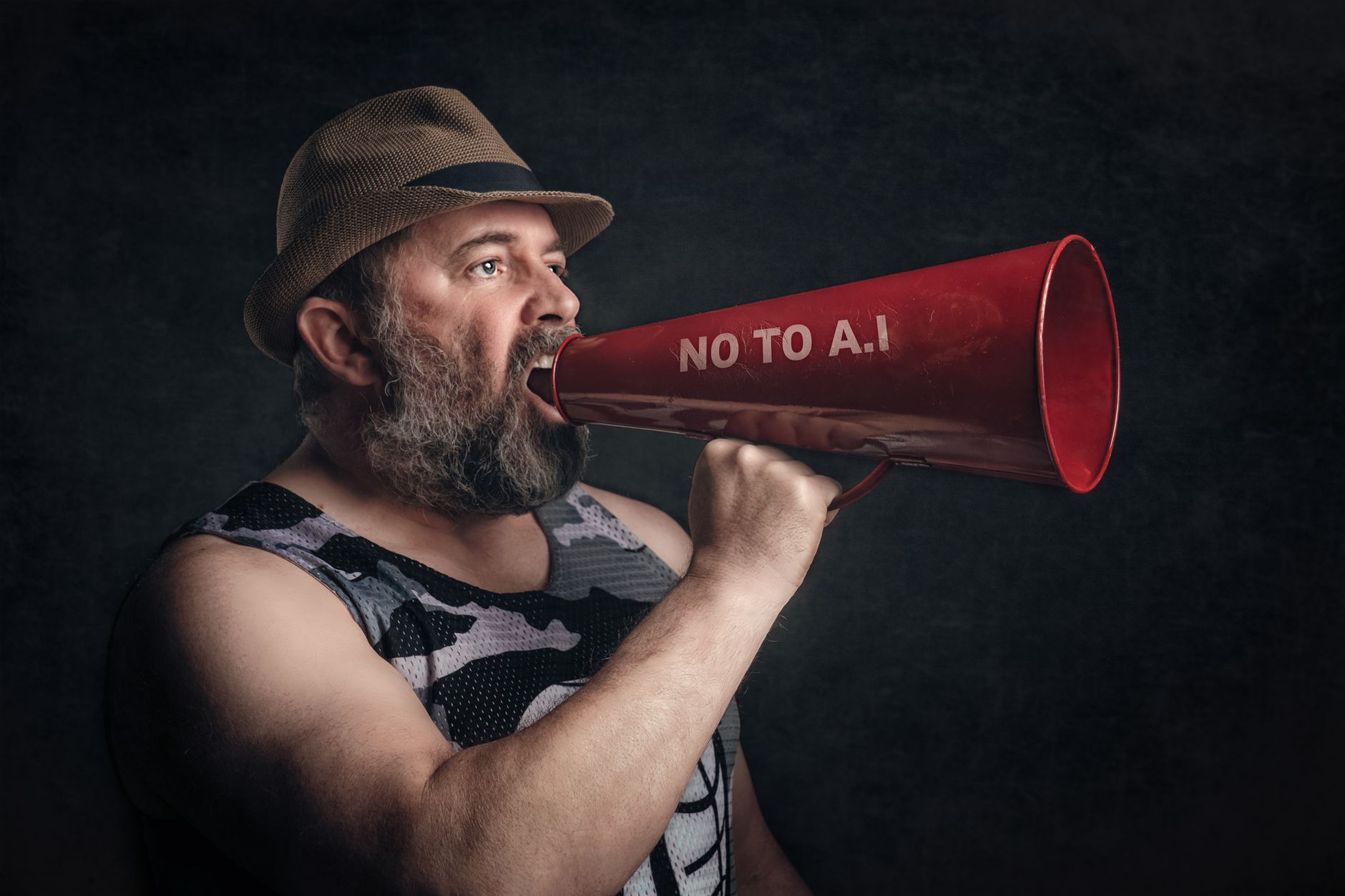
AI bad actors are becoming a pressing concern in the tech world. Bill Gates has highlighted the risks associated with their misuse of artificial intelligence, emphasizing the urgent need for awareness and action.
Understanding AI Misuse
As artificial intelligence continues to advance, concerns about its misuse have grown significantly. AI bad actors pose a serious threat, leveraging technology for malicious purposes that can have widespread consequences. Experts highlight several areas where this misuse is particularly alarming:
- Disinformation: The ability to create realistic fake news or deepfakes can manipulate public opinion and undermine trust in media.
- Cybersecurity: AI tools can be utilized to launch sophisticated cyberattacks, making it harder for organizations to defend against breaches.
- Surveillance: Bad actors may exploit AI for intrusive monitoring, infringing on privacy rights and civil liberties.
The potential for AI to be weaponized by these individuals underscores the need for proactive measures and regulations to mitigate risks associated with misuse.
The Impact of Bad Actors
The rise of artificial intelligence has brought significant advancements, but it has also attracted AI bad actors looking to exploit these technologies for harmful purposes. The impact of these individuals can be far-reaching and detrimental to society.
Some potential consequences include:
- Cybersecurity Threats: AI can be used to automate and enhance cyberattacks, making them more difficult to detect and counter.
- Disinformation Campaigns: Bad actors can leverage AI to create convincing fake news and misleading content, undermining public trust.
- Privacy Violations: Advanced algorithms can be employed to gather and misuse personal data, infringing on individual privacy rights.
As technology continues to evolve, addressing the challenges posed by AI bad actors will be crucial in ensuring a safer digital landscape.
Bill Gates’ Perspective on AI
Bill Gates has expressed significant concern regarding the emergence of AI bad actors, emphasizing that they pose one of the most pressing risks in today’s technological landscape. According to Gates, the misuse of artificial intelligence can lead to severe consequences, from misinformation to automated cyber attacks.
He believes that regulatory measures are essential to mitigate these threats. Gates advocates for a collaborative approach, urging governments, tech companies, and researchers to work together in establishing guidelines that prevent misuse. He highlights the necessity of developing robust security protocols to safeguard against malicious applications of AI.
In his view, tackling the challenge of AI bad actors requires not only technology but also ethical considerations, ensuring that advancements benefit society rather than harm it.
How to Combat AI Threats
As the threat of AI bad actors looms larger, it is crucial to implement effective strategies to combat these dangers. Here are some key approaches:
- Regulation and Policy: Governments should establish clear regulations that address the misuse of AI technologies, ensuring accountability for those who exploit them.
- Public Awareness: Educating the public about the potential risks associated with AI bad actors can empower individuals to recognize and report suspicious activities.
- Collaboration: Tech companies must work together to share information and best practices that can mitigate the risks posed by malicious use of AI.
- Advanced Security Measures: Investing in robust cybersecurity frameworks will be essential to protect systems from being compromised by bad actors.
By taking these proactive steps, society can better safeguard itself against the threats posed by AI misuse.
Future of AI Security
The future of AI security hinges on our ability to anticipate and mitigate risks posed by AI bad actors. As technology advances, the methods employed by these individuals or groups are likely to evolve, making it essential for developers, policymakers, and security experts to stay vigilant.
One of the significant challenges is the balance between innovation and regulation. Striking the right equilibrium will help foster a safe environment for AI development while deterring malicious actions. Experts suggest that collaboration across sectors is vital to create robust frameworks that can adapt to emerging threats.
Moreover, public awareness plays a crucial role. Educating users about potential dangers allows them to recognize suspicious activities and report them. As we forge ahead, prioritizing AI security will be key to ensuring that technology serves humanity rather than exploit it.
Photo by Murry Lee on Pexels
Where this came from
Related reading
Local poultry processing: Best proven benefits for communities · Samsung price hike: Worst increase for Galaxy A27 and F70 Pro · Regulation of Artificial Intelligence: The Right Steps for Public Good