

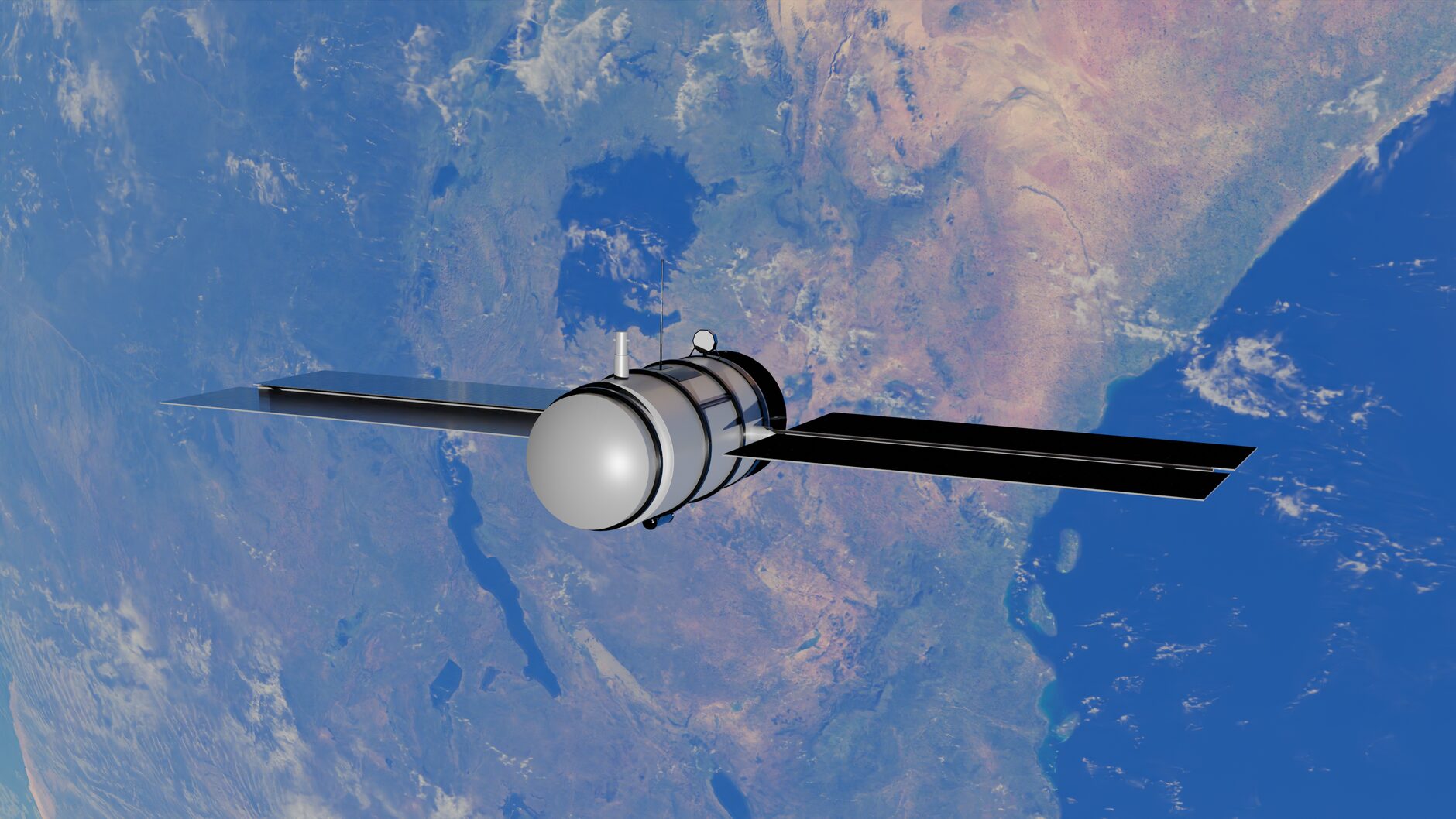
ISRO Earth Observation Satellite has been successfully launched, showcasing India’s advancements in space technology and commitment to scientific research.
Overview of the EOS-05 Mission
The Indian Space Research Organisation (ISRO) has successfully launched the EOS-05 Earth Observation Satellite, marking another significant milestone in its ongoing mission to enhance the nation’s capabilities in remote sensing. This mission, conducted using the GSLV-F17 rocket, signifies ISRO’s commitment to advancing satellite technology and improving data accessibility for various applications.
The EOS-05 satellite is designed to offer crucial data and analytics for several sectors, including agriculture, forestry, and disaster management. Its advanced sensors are capable of capturing high-resolution images, which will aid researchers and policymakers in making informed decisions.
The primary objectives of the EOS-05 mission include:
- Monitoring Crop Health: The satellite will provide timely information on crop conditions, assisting farmers in optimizing their yields.
- Disaster Response: By offering real-time data on natural disasters, EOS-05 will enhance emergency preparedness and response strategies.
- Environmental Monitoring: The satellite will help track changes in land use and monitor deforestation, contributing to environmental conservation efforts.
This launch not only showcases ISRO’s technological prowess but also highlights its role in global satellite navigation and environmental monitoring. As the EOS-05 Earth Observation Satellite begins its operational phase, it promises to deliver invaluable insights that will support sustainable development across various domains.
Significance of Earth Observation Satellites
Earth observation satellites play a crucial role in various sectors, providing essential data that supports both environmental monitoring and disaster management. The successful launch of the ISRO Earth Observation Satellite, EOS-05, further underscores the significance of these technologies in understanding our planet.
One of the primary uses of Earth observation satellites is in the field of agriculture. They help in:
- Monitoring crop health: By analyzing satellite images, farmers can assess the condition of their crops and make informed decisions.
- Estimating yields: Accurate yield predictions can be made based on satellite data, aiding in planning and resource allocation.
In addition, Earth observation satellites are vital for:
- Environmental conservation: They track deforestation, desertification, and changes in land use, enabling timely interventions.
- Disaster management: Satellites provide real-time data during natural disasters, facilitating effective response strategies.
- Urban planning: High-resolution images assist city planners in managing urban sprawl and infrastructure development.
With the launch of EOS-05, ISRO continues to enhance its capabilities in Earth observation, contributing to global knowledge and sustainable development goals. The advancements made with this satellite promise to have a lasting impact on how we monitor and manage our natural resources.
Technical Details of GSLV-F17
The recent launch of the ISRO Earth Observation Satellite, EOS-05, aboard the GSLV-F17 has showcased advanced technical capabilities that contribute to the success of the mission. The GSLV-F17, or Geosynchronous Satellite Launch Vehicle Mark II, is designed to place satellites in geosynchronous orbits. Its launch vehicle features several key components that ensure reliability and efficiency.
- Configuration: The GSLV-F17 has a three-stage configuration, comprising solid, liquid, and cryogenic stages, which allows for a powerful thrust at different phases of flight.
- Payload Capacity: This vehicle can carry payloads of up to 2,500 kilograms to geosynchronous transfer orbit, enabling it to support heavier satellites like the EOS-05.
- Indigenous Technology: The GSLV series uses indigenous cryogenic technology, which enhances performance and reduces dependency on foreign technology.
- Launch Site: The launch took place at the Satish Dhawan Space Centre in Sriharikota, a facility known for its state-of-the-art capabilities.
The successful launch of the EOS-05 demonstrates the effectiveness of the GSLV-F17 and the advancements in ISRO’s technology, which are pivotal for Earth observation missions. This mission aims to enhance agricultural monitoring, disaster management, and environmental protection by providing critical data from space.
ISRO’s Future Missions
As ISRO continues to solidify its position as a leader in space technology, several future missions are being planned to expand its capabilities in Earth observation. The success of the recent ISRO Earth Observation Satellite mission has paved the way for more advanced projects that focus on various aspects of environmental monitoring and resource management.
Among the upcoming missions, ISRO has announced the launch of the EOS-06 satellite, which aims to enhance data collection related to atmospheric and oceanographic studies. This satellite is expected to provide critical information that can aid in disaster management and climate research.
In addition to EOS-06, ISRO is also working on the GISAT, an advanced geostationary satellite designed to offer continuous imaging of the Indian subcontinent. This will aid in real-time monitoring of natural hazards and agricultural activities.
The space agency is also exploring partnerships with international organizations to enhance its Earth observation capabilities. Collaborative missions with other countries are expected to bring in advanced technologies and methodologies, further enriching ISRO’s data collection efforts.
As these missions unfold, ISRO’s dedication to developing and launching advanced Earth Observation Satellites will play a crucial role in addressing global challenges such as climate change, natural disasters, and sustainable development.
International Collaboration in Space
The launch of the ISRO Earth Observation Satellite, EOS-05, marks a significant achievement not only for India but also for international collaboration in space exploration and technology. Over the years, ISRO has forged partnerships with various space agencies and organizations across the globe, enhancing the capabilities and reach of its missions.
These collaborations have facilitated the sharing of knowledge, expertise, and resources, allowing for more efficient and impactful outcomes in Earth observation and data collection. Countries such as the United States, France, and Japan have engaged in joint missions and technology exchanges with ISRO, creating a robust network of cooperation.
Among the notable partnerships is the collaboration with NASA, which has provided valuable satellite data and technical support for various ISRO projects. This relationship has been instrumental in advancing remote sensing technologies and improving the quality of Earth observation data.
Moreover, ISRO has actively participated in global initiatives aimed at addressing pressing environmental challenges, such as climate change and disaster management. By leveraging the capabilities of the EOS-05 mission, the agency aims to contribute valuable insights that can aid in decision-making processes worldwide.
As ISRO continues to develop its Earth Observation Satellite program, the spirit of international collaboration will remain a cornerstone of its strategy, ensuring that the benefits of space technology are shared globally.
Impact of Satellite Data on Environment
The launch of the ISRO Earth Observation Satellite has significant implications for environmental monitoring and management. These satellites provide critical data that can assist governments and organizations in making informed decisions regarding natural resources and disaster response.
One of the primary impacts of satellite data is its ability to enhance our understanding of climate change. By monitoring changes in land use, deforestation, and urbanization, the EOS-05 can track the health of ecosystems over time. This data enables scientists to model climate patterns and predict future changes, allowing for proactive measures to mitigate adverse effects.
Additionally, the information gathered from these satellites plays a vital role in agriculture. Farmers can utilize satellite imagery to assess crop health, soil conditions, and moisture levels, leading to improved yield and resource management. Such applications are crucial for food security, especially in developing regions where agricultural practices are still evolving.
Furthermore, the ISRO Earth Observation Satellite contributes to disaster management by providing timely information during natural calamities such as floods, earthquakes, and hurricanes. This data aids in effective response planning and resource allocation, ultimately saving lives and reducing economic losses.
In conclusion, the impacts of satellite data on the environment extend far beyond mere observation; they empower stakeholders to take decisive actions towards sustainability and resilience in the face of global challenges.
Public Reception and Future Prospects
The launch of the ISRO Earth Observation Satellite, EOS-05, has garnered significant attention and enthusiasm from the public and scientific communities alike. Many people have expressed their excitement on social media platforms, celebrating ISRO’s continued advancements in space technology.
According to feedback from various stakeholders, the successful deployment of EOS-05 is seen as a testament to India’s growing capabilities in satellite technology and space exploration. Enthusiasts and experts alike have praised the precision of the GSLV-F17 launch vehicle and the strategic importance of this satellite in monitoring environmental changes, agriculture, and disaster management.
The public reception has also sparked discussions about the potential future applications of EOS-05 data. Key areas of interest include:
- Climate Monitoring: Understanding the impacts of climate change through advanced data analytics.
- Agricultural Management: Enhancing crop yield predictions and resource management.
- Urban Planning: Utilizing satellite data for better infrastructure planning and development.
As ISRO continues to innovate and expand its satellite capabilities, the future looks promising. The success of the EOS-05 mission not only reinforces India’s position in the global space arena but also opens doors for future collaborations and advancements in Earth observation technologies.
The successful deployment of the ISRO Earth Observation Satellite marks a significant milestone in India’s space capabilities. With advanced imaging technology, the ISRO Earth Observation Satellite will enhance our ability to monitor environmental changes and support disaster management efforts.
Photo by Zelch Csaba on Pexels
Read the original
You might also like
- Quantum math-solving model: Discover OpenAI Astra’s secrets
- Executive Extortion: Why Digital Threats Require a Coordinated Security Response
- Make Website Discovery Easier With a Categorized Link Collection for Comfortable Online Browsing