

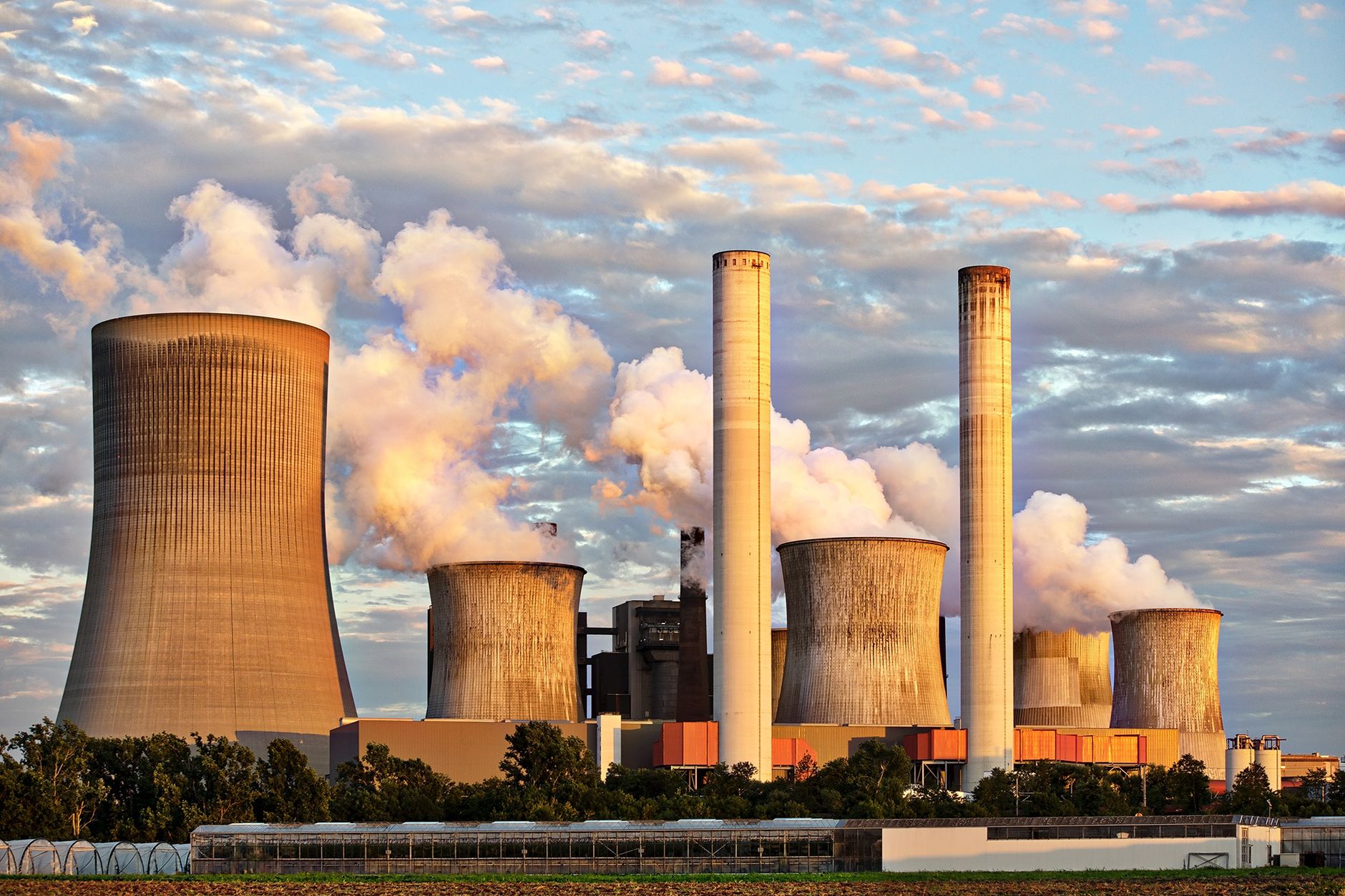
The nuclear fuel reaction has been a topic of intense research, and recent breakthroughs have finally captured its destructive processes. Scientists are uncovering vital information that could reshape our understanding of nuclear energy safety.
Understanding Nuclear Fuel Reactions
Nuclear fuel reactions are fundamental processes that occur within nuclear reactors, enabling the generation of energy. Understanding these reactions is crucial for ensuring safety and efficiency in nuclear power plants.
When nuclear fuel, such as uranium or plutonium, undergoes fission, it releases a significant amount of energy. This process involves the splitting of atomic nuclei, which releases neutrons and a large amount of heat. The heat produced is then used to generate steam, driving turbines for electricity production. However, the nature of nuclear fuel reactions also poses potential safety risks.
Recent advancements in scientific research have allowed for greater observation of these reactions. In fact, scientists have recently captured an image of the reaction that destroys nuclear fuel, which sheds light on the complexities of nuclear safety. Understanding the byproducts and behavior of nuclear fuel under varying conditions is essential for improving reactor designs and enhancing safety protocols.
Key aspects of nuclear fuel reactions include:
- Fission Process: The core mechanism by which energy is released.
- Neutron Moderation: The importance of slowing down neutrons to sustain the reaction.
- Fuel Depletion: The gradual reduction of fuel effectiveness over time.
These factors are critical in assessing the overall impact of nuclear fuel reactions on safety and environmental considerations.
Recent Breakthroughs in Nuclear Science
Recent advancements in nuclear science have significantly enhanced our understanding of nuclear fuel reactions and their implications for safety. Researchers have made strides in visualizing these reactions, which were previously elusive to study directly. A groundbreaking achievement was the successful capture of an image depicting the very reaction that leads to the degradation of nuclear fuel. This image not only sheds light on the processes occurring at the atomic level but also provides critical insights into how to enhance the safety and efficiency of nuclear reactors.
Some of the key breakthroughs include:
- Advanced Imaging Techniques: Utilizing high-speed photography and sophisticated detectors to observe nuclear fuel reactions in real-time.
- Improved Modeling: Development of more accurate models to predict the behavior of nuclear fuel under various conditions, thereby enhancing safety protocols.
- Material Innovations: Research into new materials that can withstand the effects of nuclear fuel reactions over longer periods, reducing the risk of failures.
These developments are vital not only for improving the safety of existing nuclear facilities but also for informing the design of next-generation reactors, ensuring that they operate with maximum efficiency and minimal risk to the environment.
The Importance of Nuclear Safety
Nuclear safety is a critical aspect of energy production that ensures the protection of both the environment and public health. With the increasing reliance on nuclear power, understanding the complexities of nuclear fuel reactions becomes essential for maintaining safety standards.
Historically, incidents involving nuclear facilities have raised significant concerns regarding the management of nuclear fuel and its reactions. To mitigate risks, scientists and engineers continuously develop robust safety protocols and advanced technologies. Some key factors contributing to nuclear safety include:
- Robust Design: Modern reactors are designed with multiple safety layers to prevent accidents and contain any potential mishaps.
- Regular Inspections: Frequent assessments of equipment and systems help identify vulnerabilities before they can lead to incidents.
- Emergency Preparedness: Comprehensive emergency response plans are established to ensure quick action in case of unexpected situations.
Furthermore, ongoing research in nuclear science aims to enhance our understanding of nuclear fuel reactions and their implications. By addressing safety concerns proactively and embracing innovation, the industry can continue to harness the benefits of nuclear energy while prioritizing the well-being of society and the environment.
How Nuclear Reactions Affect Energy Production
Nuclear fuel reactions play a crucial role in the production of energy, significantly influencing how power is generated in nuclear reactors. These reactions involve the process of nuclear fission, where heavy atomic nuclei split into smaller fragments, releasing a substantial amount of energy in the form of heat. This heat is then used to produce steam, which drives turbines to generate electricity.
The efficiency of energy production in nuclear reactors largely depends on the management of these nuclear fuel reactions. Proper control mechanisms ensure that the fission process occurs at a stable rate, allowing for a consistent power output. However, any disruption in this process can lead to safety concerns, emphasizing the importance of stringent safety protocols in reactor design and operation.
In recent years, advancements in technology have improved our understanding of how to optimize nuclear fuel reactions. Innovations such as advanced reactor designs and improved fuel materials have the potential to enhance safety and efficiency. As scientists continue to study these reactions, the focus remains on balancing the need for energy production with the imperative of maintaining safety in nuclear operations.
- Efficient energy generation
- Stable power output
- Stringent safety protocols
Implications for Future Energy Sources
The implications of nuclear fuel reactions extend far beyond current energy production capabilities. As nations increasingly seek sustainable and efficient energy sources, understanding these reactions becomes crucial for future energy strategies.
Experts believe that advancements in nuclear science can lead to safer, more efficient energy systems, with several potential benefits:
- Reduced Carbon Emissions: Nuclear energy generates minimal greenhouse gases compared to fossil fuels, positioning it as a key player in combating climate change.
- Energy Security: By diversifying energy sources, countries can reduce their dependence on external oil and gas supplies, enhancing national security.
- Technological Innovations: Ongoing research into nuclear fuel reactions may yield new technologies, such as small modular reactors, which promise to be safer and easier to manage.
- Waste Management: Improved understanding of nuclear fuel reactions may lead to better waste disposal methods, addressing one of the main concerns surrounding nuclear energy.
As scientists continue to explore the complexities of nuclear fuel reactions, the potential for revolutionary changes in energy generation and safety protocols becomes increasingly evident.
Expert Opinions on Nuclear Fuel
Experts in the field of nuclear science have voiced strong opinions regarding the implications of nuclear fuel reactions on safety and efficiency. Many emphasize the importance of understanding the intricacies of these reactions to enhance safety protocols.
- Dr. Emily Carter, a leading nuclear physicist, stated, “The recent advancements in imaging nuclear fuel reactions have provided invaluable insights. We can now observe how these reactions unfold, which is crucial for developing safer reactors.”
- Professor Mark Thompson from the Institute of Nuclear Energy remarked, “Safety in nuclear energy relies heavily on our ability to predict and manage the outcomes of fuel reactions. Continuous research is essential to mitigate risks associated with nuclear power.”
- Dr. Lisa Nguyen, an environmental scientist, advised, “Understanding the byproducts of nuclear fuel reactions can lead to better waste management strategies, ensuring a sustainable future for nuclear energy.”
These expert opinions highlight a growing consensus that while nuclear fuel reactions can be complex and potentially hazardous, ongoing research and technological advancements are paving the way for safer and more efficient energy production.
What Comes Next for Nuclear Research?
As the field of nuclear science continues to evolve, researchers are turning their attention to the next steps in understanding nuclear fuel reactions. Recent advancements have opened new avenues for exploration, particularly in enhancing the safety and efficiency of nuclear energy.
One area of focus is improving the materials used in nuclear reactors. Scientists are investigating novel alloys and compounds that can withstand extreme conditions, reducing the risk of failure during a nuclear fuel reaction. This could lead to a new generation of reactors that not only produce energy more efficiently but also operate with a higher safety margin.
Another promising direction involves the development of advanced simulation technologies. By using sophisticated models, researchers can better predict the behavior of nuclear fuel under various conditions. This predictive capability will be crucial for designing next-generation reactors that prioritize safety and sustainability.
The collaboration between international research teams is also expected to accelerate progress in this field. By sharing knowledge and expertise, scientists can tackle complex challenges collectively, paving the way for breakthroughs that could redefine the role of nuclear power in future energy systems.
Ultimately, the ongoing research in nuclear fuel reactions holds the potential to significantly impact energy production and safety standards worldwide.
The nuclear fuel reaction plays a crucial role in determining the overall safety of nuclear power plants. Understanding the nuances of each nuclear fuel reaction can help in implementing better safety protocols and technologies.
Photo by Pixabay on Pexels
Where this came from
BGR · Nuclear fuel and reactor accidents
Related reading
OPPO Pad Air 6: Best Proven Features and Specs Revealed · Motorola apps features make Pixel and Samsung feel outdated · RTX 5090 Price: Is It the Best Value for Gamers?