

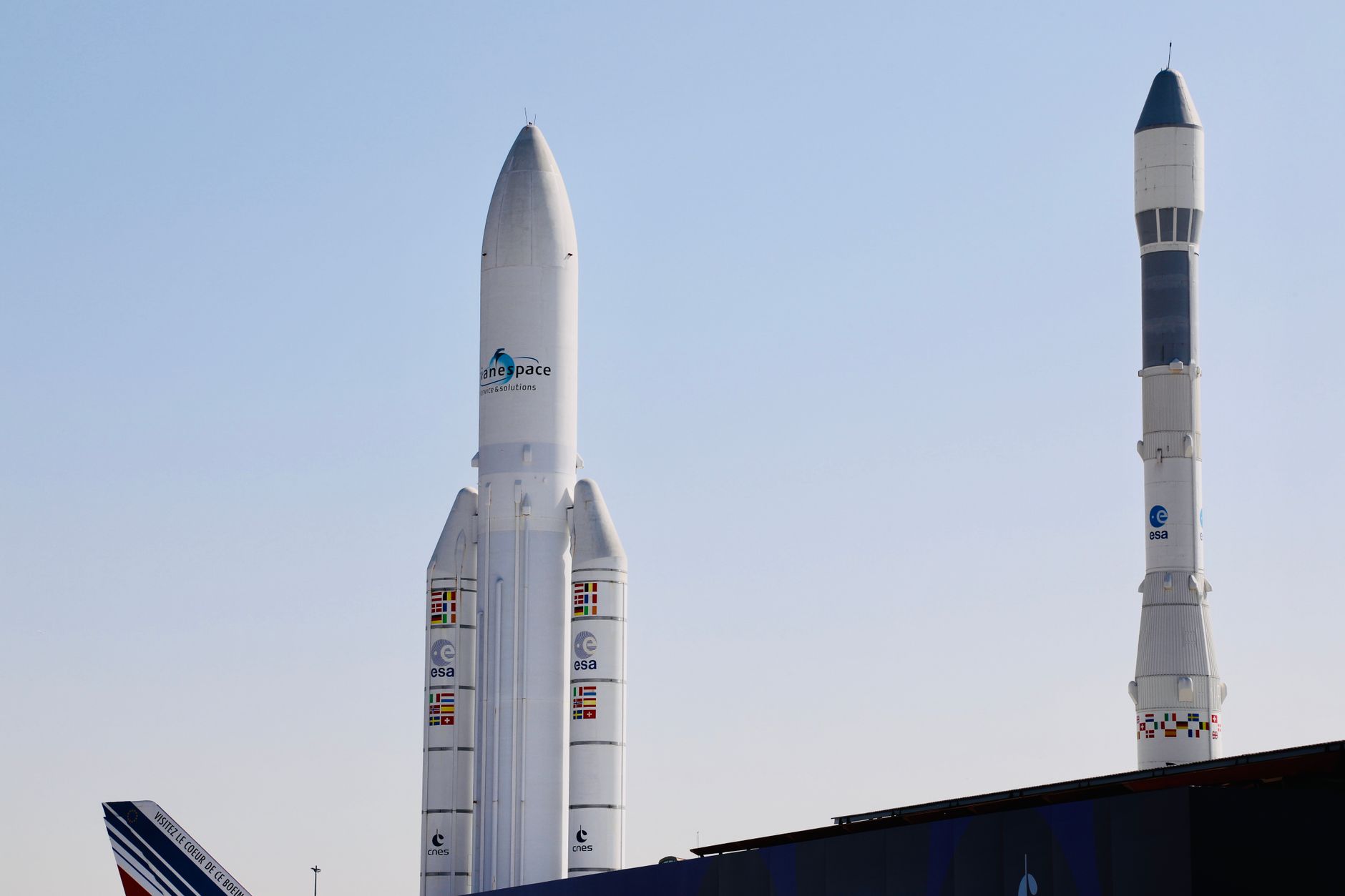
Agnikul Cosmos rocket engine has successfully completed its upgraded test-fire, showcasing the potential of 3D-printed technology in space exploration. This marks a significant milestone ahead of the Agnibaan Mission-02.
Overview of Agnikul Cosmos
Agnikul Cosmos, a space startup incubated at IIT Madras, has made significant strides in rocket technology with its innovative Agnikul Cosmos rocket engine. The company’s latest achievement includes a successful test-fire of its upgraded 3D-printed Agnilet rocket engine, which is pivotal for its upcoming Agnibaan Mission-02. This test demonstrates the potential and reliability of the Agnikul Cosmos rocket engine in real-world applications.
In a recent video shared on X, Agnikul Cosmos showcased the impressive capabilities of the upgraded engine, emphasizing the advancements made since its initial development. The focus on 3D printing technology allows for quicker production times and enhanced performance characteristics, setting Agnikul Cosmos apart in the competitive space industry.
With plans for future missions and continued innovations, Agnikul Cosmos is positioning itself as a leader in the space sector, making the Agnikul Cosmos rocket engine a promising candidate for future space exploration endeavors.
Importance of the Agnilet Engine
The Agnikul Cosmos rocket engine, specifically the Agnilet, has gained significant attention due to its innovative design and capabilities. This engine stands out for its unique 3D-printed construction, which not only reduces manufacturing costs but also enhances production efficiency. The ability to quickly iterate on designs is essential in the fast-paced space industry.
Moreover, the Agnilet engine is pivotal for Agnikul Cosmos’s mission to make satellite launches more accessible and affordable. Its lightweight and robust nature allows for greater payload flexibility, catering to a wide range of customer needs.
As Agnikul prepares for the upcoming Agnibaan Mission-02, the successful test-firing of the upgraded Agnilet engine highlights its reliability and potential. This advancement may position Agnikul Cosmos as a strong competitor in the small satellite launch market.
- 3D-printed technology reduces costs
- Increased efficiency in production
- Enhanced payload flexibility
Details of the Test-Fire
IIT Madras-incubated startup Agnikul Cosmos has made significant strides in rocket technology with the successful test-fire of its upgraded 3D-printed Agnilet rocket engine. This test is a crucial step ahead of the upcoming Agnibaan Mission-02, showcasing the potential of the Agnikul Cosmos rocket engine.
The test-fire, which was shared in a video on X, demonstrated the engine’s performance and reliability under operational conditions. Key features of the test included:
- Precision Engineering: The upgraded 3D-printed design allows for enhanced efficiency and reduced manufacturing time.
- Performance Metrics: The engine achieved optimal thrust levels, aligning with mission requirements.
- Safety Protocols: Comprehensive safety measures were implemented during the test to ensure a successful outcome.
This test-fire reinforces Agnikul Cosmos’s position in the competitive aerospace sector and highlights the advancements in the Agnikul Cosmos rocket engine technology.
What is the Agnibaan Mission-02?
The Agnibaan Mission-02 is a significant milestone for Agnikul Cosmos as it aims to demonstrate the capabilities of its advanced technologies in space exploration. Following the successful test-fire of the upgraded Agnilet engine, this mission represents a critical step toward operational readiness.
The mission’s objectives include:
- Validating the performance of the Agnilet rocket engine in various flight conditions.
- Assessing the reliability and efficiency of the 3D-printed components used in the engine.
- Gathering data to support future launch missions and potential commercial applications.
As Agnikul Cosmos continues to refine its technologies, the Agnibaan Mission-02 will serve as a testament to the company’s commitment to innovation in the aerospace sector. The successful execution of this mission could position the Agnikul Cosmos rocket engine as a leading option for future endeavors in space travel.
Future of 3D-Printed Rockets
The future of 3D-printed rockets looks promising, particularly with advancements made by startups like Agnikul Cosmos. As traditional manufacturing methods face limitations, the introduction of 3D-printed components offers several advantages, including reduced production time and lower costs.
With the successful test-firing of the Agnikul Cosmos rocket engine, specifically the Agnilet, the company has demonstrated the viability of this technology. The ability to create complex geometries through 3D printing allows for innovations that were previously unimaginable in rocket design.
Moreover, the flexibility inherent in 3D printing means that modifications can be made quickly in response to testing outcomes. This adaptability is crucial for the fast-paced nature of space exploration and development.
As more companies invest in similar technologies, the potential for 3D-printed rockets to revolutionize the space industry increases, making the Agnikul Cosmos rocket engine a key player in this evolving landscape.
Impact on Space Industry
The successful test-fire of the Agnikul Cosmos rocket engine marks a significant milestone in the space industry. As the demand for innovative and efficient launch solutions grows, the impact of this technology cannot be overstated. The Agnilet engine, known for its 3D-printed components, offers a level of customization and rapid production that traditional manufacturing methods cannot match.
As startups like Agnikul Cosmos push the boundaries of rocket technology, they inspire a wave of new entrants into the space sector. This innovation is crucial for reducing costs and increasing access to space, particularly for small satellite launches. Moreover, the advancements in propulsion systems could lead to more sustainable and reliable missions.
Experts believe that the Agnikul Cosmos rocket engine could set a new benchmark in the industry, driving competition and encouraging further research into advanced materials and engineering techniques.
Conclusion and Next Steps
In conclusion, the successful test-firing of the upgraded Agnikul Cosmos rocket engine, the Agnilet, marks a significant milestone in the evolution of space technology. This achievement not only highlights the potential of 3D-printed rocket engines but also propels Agnikul Cosmos towards its ambitious goals with the upcoming Agnibaan Mission-02.
As the space industry continues to evolve, the integration of advanced technologies like the Agnilet engine could redefine traditional methodologies, making space exploration more accessible and efficient. The promising results from recent tests underscore the reliability of this innovative engine, positioning Agnikul Cosmos as a key player in the rapidly changing landscape of space technology.
Moving forward, stakeholders and enthusiasts alike will be closely watching the developments of Agnikul Cosmos as they prepare for future endeavors. The next steps will be crucial in determining whether the Agnikul Cosmos rocket engine will emerge as a leading solution in the competitive space market.
Photo by Léa Claisse on Pexels
References
Related stories
- Apple HomeView teardown reveals worst repair challenges
- Medical Imaging AI: Best Proven Startup Soombit AI Raises Funds
- GTA 6 Online Release Date: The Best Insights You Need