

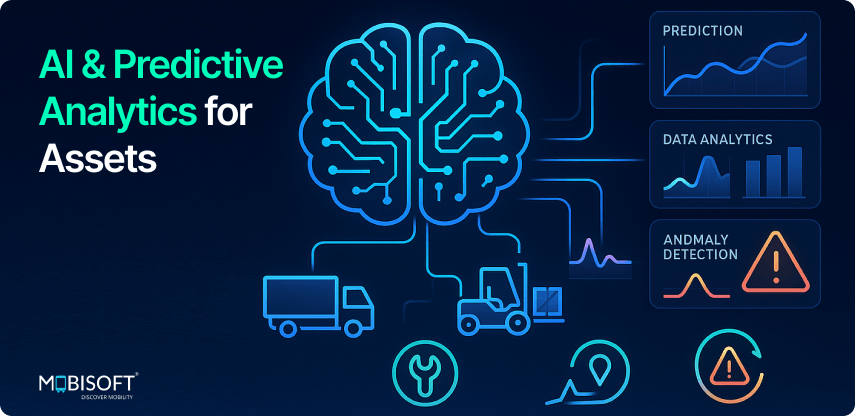
Asset tracking has become a foundational practice for organizations aiming to improve operational visibility, reduce losses, and optimize the full lifecycle of physical resources. As businesses scale, keeping accurate control over equipment, tools, and valuable assets is no longer manageable through manual methods alone. Structured tracking systems now provide a more reliable, data-driven approach that supports efficiency and accountability at every level.
Below is a professional, insight-driven breakdown of how asset tracking works, why it matters, and how it continues to transform modern operational environments.
What makes asset tracking essential for modern organizations?
Asset Tracking is essential because it provides clear visibility into where assets are, how they are being used, and their current condition. Without this visibility, organizations often face inefficiencies such as misplaced equipment, duplicate purchases, and underutilized resources.
Studies across operational environments consistently show that businesses with structured tracking systems experience significantly fewer asset losses and improved utilization rates. This leads to better financial control and more predictable operational outcomes.
How does asset tracking improve operational efficiency?
Efficiency improves when organizations can access real-time information about their assets. Instead of spending time searching for tools or verifying availability, teams can quickly locate and allocate resources.
This streamlined access reduces downtime and increases productivity. When assets are properly tracked, scheduling becomes more accurate, and workflows are less likely to be interrupted due to missing or unavailable equipment. The result is smoother coordination across departments and improved task completion rates.
Why is real-time visibility important in asset tracking systems?
Real-time visibility ensures that organizations always have up-to-date information about asset movement and usage. This is especially important in dynamic environments where equipment is frequently transferred between teams or locations.
When visibility is immediate, decision-making becomes faster and more accurate. Managers can respond quickly to shortages, redistribute resources, and prevent operational delays. This level of control significantly reduces uncertainty in day-to-day operations.
How does asset tracking help reduce financial losses?
Financial losses often occur when assets are misplaced, underutilized, or unnecessarily repurchased. Asset tracking minimizes these risks by maintaining a clear record of every item within the system.
Organizations that implement structured tracking often report lower replacement costs and improved asset retention. Additionally, better maintenance scheduling reduces repair expenses and extends the usable life of equipment, contributing to long-term savings.
What role does data play in asset tracking systems?
Data is the core foundation of modern asset tracking. Every movement, update, and usage event generates valuable insights that help organizations understand asset performance.
This data can be used to identify usage patterns, detect inefficiencies, and improve forecasting. Over time, this leads to more informed purchasing decisions and better resource planning. Data-driven tracking transforms asset management from reactive to proactive.
Can asset tracking improve accountability within teams?
Yes, accountability improves significantly when asset usage is clearly recorded and assigned. When teams know that equipment usage is tracked, there is a natural increase in responsibility and care.
This reduces the chances of misuse, loss, or negligence. It also creates a transparent system where responsibilities are clearly defined, making it easier to identify usage history and ownership when needed.
How does asset tracking support maintenance and lifecycle management?
Asset tracking systems often include maintenance scheduling features that ensure equipment is serviced regularly. This prevents unexpected breakdowns and extends the lifespan of assets.
Lifecycle management becomes more structured when organizations can track performance over time. This helps determine when an asset should be repaired, upgraded, or replaced, leading to more cost-effective decisions and reduced operational disruption.
What benefits does automation bring to asset tracking?
Automation simplifies many manual processes such as logging asset movement, scheduling maintenance reminders, and updating records. This reduces human error and saves valuable administrative time.
With automation, organizations can maintain more accurate records without increasing workload. It also ensures consistency in tracking practices, which improves overall system reliability.
How does asset tracking scale with growing organizations?
As organizations grow, the number of assets typically increases, making manual tracking impractical. Asset tracking systems are designed to scale easily by handling larger inventories and multiple locations without losing accuracy.
This scalability ensures that growth does not lead to operational confusion. Instead, it supports expansion by maintaining structured control over all resources, regardless of size or complexity.
Conclusion
Asset tracking has evolved into a critical operational function that enhances visibility, improves efficiency, and reduces financial waste. By providing real-time insights, structured data, and automated processes, it enables organizations to manage resources with greater precision and confidence.
As businesses continue to expand and operations become more complex, adopting a reliable asset tracking approach ensures stronger control, better accountability, and long-term sustainability.