

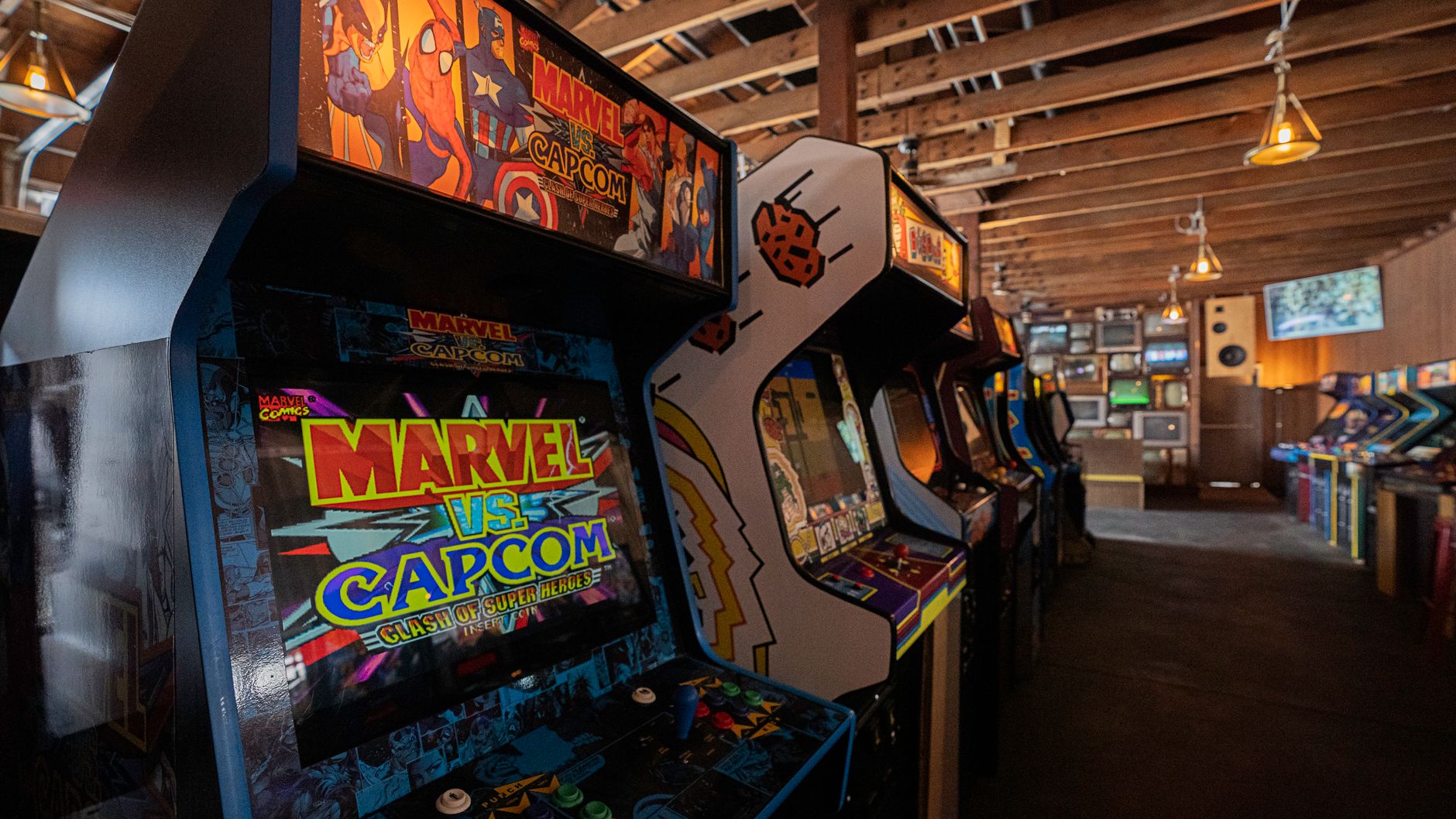
Marvel 1943 cancellation has been announced, but the reports of its death have been premature. There’s more to the story than meets the eye.
What Led to the Marvel 1943 Cancellation?
The recent announcement regarding the Marvel 1943 cancellation has left fans and industry insiders alike in shock. Several factors contributed to this unexpected decision, which some believe was premature.
One significant reason behind the cancellation is the shifting landscape of the entertainment industry, particularly in response to audience preferences. As streaming services and digital platforms gain popularity, traditional formats struggle to keep up with changing viewer habits.
Additionally, the production faced numerous challenges, including:
- Budget constraints: Rising costs of production made it difficult to maintain the original vision.
- Creative differences: Disagreements among key stakeholders led to setbacks and delays.
- Market competition: Increased competition from other superhero franchises diminished the project’s perceived value.
As the dust settles, many are left wondering if the cancellation is truly final or if there is still hope for a revival in the future.
Fan Reactions to the Announcement
Following the announcement of the Marvel 1943 cancellation, fans took to social media to express their thoughts. The news sparked a wave of both disappointment and confusion within the community.
Many fans were quick to share their love for the project, citing its potential to explore untold stories from the Marvel Universe. One user tweeted, “I was really looking forward to Marvel 1943! It had so much promise!” However, others questioned the decision, suggesting that the cancellation might be a strategic move amid changing market dynamics.
In a poll conducted on a popular fan forum, 76% of respondents expressed their dissatisfaction with the news, indicating a strong desire for more diverse and historical narratives in the Marvel lineup. Some fans even began to speculate about possible alternatives, suggesting that Marvel could consider a revival in the future.
As discussions continue, it is clear that the Marvel 1943 cancellation has left a significant mark on its audience, who eagerly await further developments regarding the project.
The Future of Marvel Games
The future of Marvel games remains a topic of great interest following the recent Marvel 1943 cancellation. While some fans mourn the loss, others speculate on what might come next for the franchise. With gaming technology advancing rapidly, there is potential for new titles to capture the essence of Marvel’s beloved characters.
Many industry insiders believe that the cancellation may pave the way for a different approach to Marvel games. This could include:
- Revamped Gameplay: Developers may choose to innovate, introducing fresh mechanics that make use of the latest consoles’ capabilities.
- Expanded Universes: Future titles might explore lesser-known characters or story arcs, providing a broader narrative scope.
- Cross-platform Play: With the rise of online gaming, there is a chance that upcoming games will offer cross-platform compatibility to enhance player engagement.
As the gaming community awaits further announcements, the hope for a bright future for Marvel titles remains strong despite the 1943 cancellation.
Understanding the Gaming Landscape
The gaming landscape has evolved significantly over the past few decades, creating a dynamic environment for developers and players alike. In this context, the Marvel 1943 cancellation has sparked discussions about the future of superhero-themed games and their viability in the market.
As gamers look for fresh experiences, they increasingly favor innovative gameplay and engaging narratives. This shift has prompted developers to rethink traditional approaches, often leading to the cancellation of projects that don’t align with current trends. The rise of multiplayer experiences and live service models has also influenced the decisions behind game development.
Moreover, the competition in the gaming industry is fiercer than ever. Titles that fail to capture the attention of audiences quickly find themselves on the chopping block, making it essential for studios to adapt.
- Emerging technologies
- Fan expectations
- Shifts in market demand
All these factors contribute to a gaming landscape that is both challenging and exciting, underscoring the complexity behind the Marvel 1943 cancellation.
Photo by Corey Dupree on Pexels
References
You might also like
- Google Pixel Recorder Integration: Best Proven Features
- Oppo A7 Pro 5G: The Best Features and Price Revealed
- Arab Satellite 813: Proven Steps Towards Earth Observation