

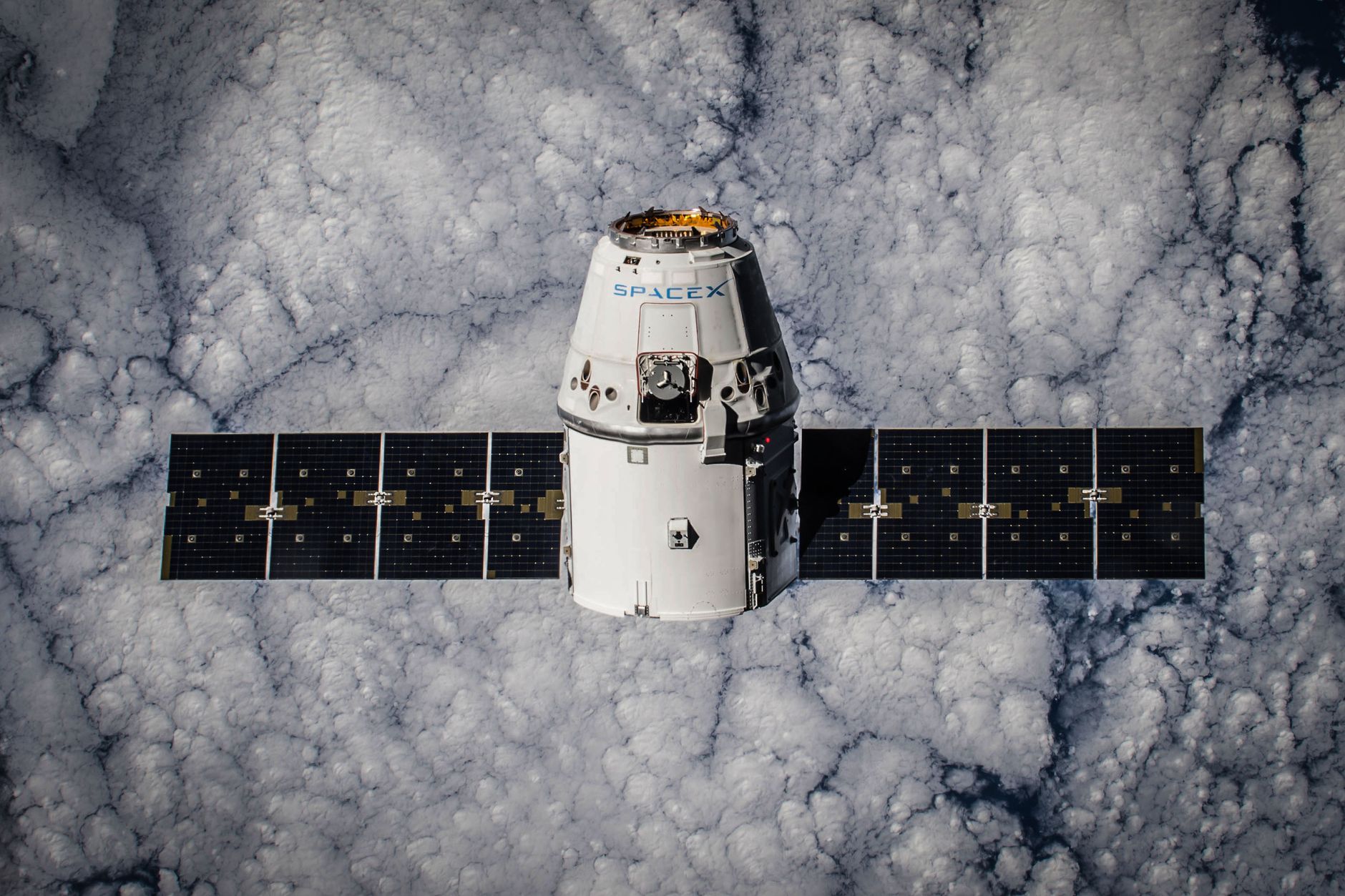
The TXST satellite launch represents a groundbreaking achievement for Texas State University. This historic event showcases the university’s commitment to advancing space exploration and technology.
Overview of the TXST Satellite Launch
The recent TXST satellite launch marks a significant milestone for Texas State University, as it successfully deployed its first-ever satellite into space. This event not only showcases the university’s commitment to advancing aerospace technology but also highlights the potential benefits that such initiatives can bring to various fields.
The satellite, equipped with state-of-the-art technology, aims to contribute to research in areas such as environmental monitoring, disaster response, and communication. By gathering data from space, it can provide valuable insights that are crucial for both academic and practical applications.
Some of the key benefits of the TXST satellite launch include:
- Enhanced Research Opportunities: The satellite can facilitate groundbreaking research in fields like climate science and geospatial analysis.
- Real-Time Data Collection: It enables the collection of data in real-time, which is essential for timely decision-making during natural disasters.
- Student Engagement: This initiative provides students with hands-on experience in aerospace engineering and satellite technology, fostering the next generation of innovators.
- Collaboration Potential: The launch opens avenues for collaboration with other institutions and industries, enhancing innovation.
Overall, the TXST satellite launch represents a leap forward in university-led space exploration and its potential societal benefits.
Impact on Space Research
The recent TXST satellite launch marks a significant milestone in the realm of space research. By deploying a satellite into orbit, Texas State University is set to enhance various fields of scientific inquiry and technological advancement.
One of the primary benefits of the TXST satellite launch is its potential to provide valuable data for Earth observation. Researchers will be able to monitor environmental changes, track weather patterns, and assess natural disasters, contributing to improved disaster response and resource management.
Additionally, the satellite will facilitate advancements in communication technology. By testing new communication protocols in space, TXST aims to improve data transmission rates and reliability, which can have far-reaching implications for both commercial and governmental operations.
Furthermore, the launch serves as a platform for educational opportunities. Students and faculty at TXST will have the chance to engage in hands-on learning experiences, fostering a new generation of engineers and scientists equipped with practical skills in aerospace technology.
In summary, the impact of the TXST satellite launch extends beyond mere exploration; it promises to enhance our understanding of Earth, improve technology, and cultivate future talent in the aerospace sector.
Future Plans for TXST in Space
As TXST embarks on this new chapter with its satellite launch, the future plans for the university in space exploration are both ambitious and promising. With the successful deployment of the TXST satellite, researchers and students are now looking towards a variety of missions that could further enhance our understanding of space.
One of the primary goals is to establish a series of collaborative projects with other institutions and organizations. This collaboration aims to:
- Enhance data collection capabilities for climate monitoring.
- Support educational initiatives that allow students to engage directly with satellite technology.
- Develop new research opportunities in astrophysics and planetary science.
Additionally, TXST plans to leverage the satellite’s capabilities to conduct experiments in microgravity, which could lead to groundbreaking discoveries in materials science and biology. The TXST satellite launch is not only a milestone for the university but also serves as a stepping stone towards more complex missions in the future.
By fostering innovation and encouraging hands-on experience, TXST aims to prepare the next generation of scientists and engineers who will lead the charge in space exploration efforts.
Benefits of University-led Space Missions
The TXST satellite launch marks a significant milestone in university-led space missions, offering a variety of proven benefits that extend beyond academic achievement. These missions not only enhance the educational experience for students but also contribute to technological advancements and community engagement.
- Hands-on Learning: Students involved in the TXST satellite launch gain invaluable experience in engineering, programming, and project management. This practical knowledge prepares them for careers in the growing aerospace industry.
- Research Opportunities: The satellite serves as a platform for ongoing research, allowing faculty and students to test new technologies and conduct experiments that could lead to breakthroughs in various fields.
- Public Engagement: University-led missions foster interest in STEM fields among local communities. Outreach programs related to the TXST satellite launch inspire the next generation of scientists and engineers.
- Collaborative Partnerships: The project facilitates collaboration with other institutions and organizations, broadening the scope of research and innovation while strengthening the university’s reputation in the space sector.
In conclusion, the benefits derived from the TXST satellite launch exemplify the positive impact of university-led space missions on education, research, and community involvement.
Photo by SpaceX on Pexels
References
You might also like
- Dragon CRS mission: Best proven launch to ISS
- AI Bad Actors: What’s the Real Danger Right Now?
- Local poultry processing: Best proven benefits for communities