

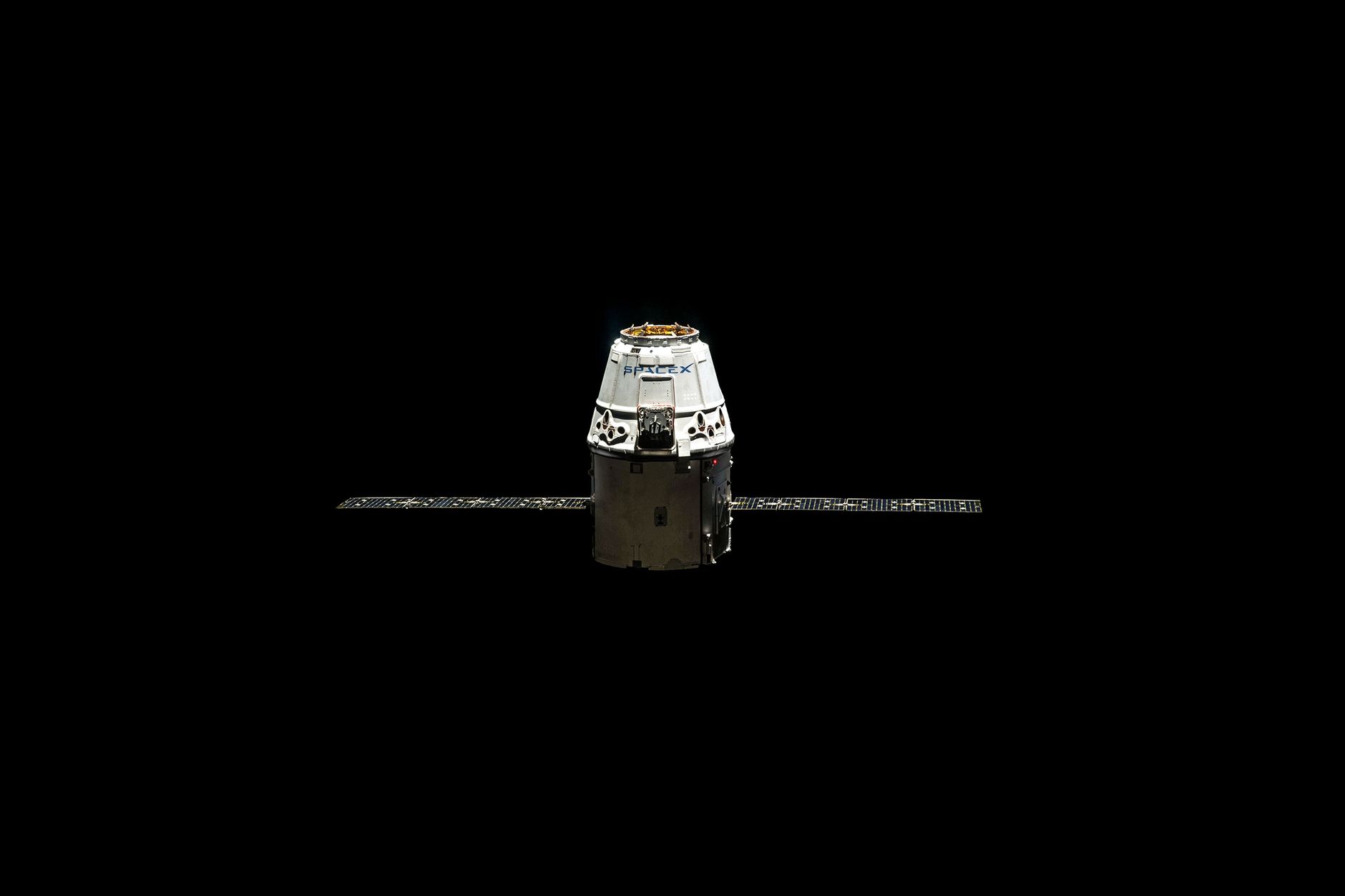
The Dragon CRS mission is a remarkable achievement in space logistics, showcasing NASA and SpaceX’s commitment to advancing scientific research aboard the ISS.
Overview of the Dragon CRS mission
The Dragon CRS mission represents a significant milestone in the ongoing partnership between NASA and SpaceX, showcasing the capabilities of private spaceflight in delivering supplies to the International Space Station (ISS). On its 35th mission, the Dragon spacecraft was launched successfully atop a Falcon 9 rocket, further solidifying the reliability of this launch system.
This mission is part of a series aimed at resupplying the ISS, delivering critical cargo for scientific research and experiments. The Dragon spacecraft is designed to carry a variety of payloads, including:
- Science experiments
- Equipment for astronauts
- Fresh supplies and provisions
After its launch, the Falcon 9 booster executed a precise landing, demonstrating the advanced technology that SpaceX employs to ensure cost-effective space missions. The success of the Dragon CRS mission not only enhances ISS operations but also paves the way for future commercial ventures in low Earth orbit.
Significance of the Falcon 9 booster landing
The successful landing of the Falcon 9 booster during the Dragon CRS mission highlights a significant achievement in space logistics and sustainability. This milestone not only marks the 35th Commercial Resupply Services (CRS) mission to the International Space Station (ISS) but also demonstrates SpaceX’s commitment to reusability and cost-effectiveness in space travel.
By recovering and reusing rocket boosters, SpaceX reduces the overall expenses associated with launching cargo into orbit. The Falcon 9’s ability to return to Earth and land vertically is a game-changer for future space missions. The implications of this technology extend beyond mere economics; it enhances the frequency and reliability of resupply missions to the ISS, ensuring that astronauts have the necessary supplies and equipment to conduct their research.
- Increased launch frequency: The reusability of boosters allows for more regular missions.
- Cost reduction: Each flight becomes less expensive, making space more accessible.
- Sustainability: Promotes environmentally conscious practices in the aerospace industry.
Overall, the Falcon 9 booster landing is a testament to the advancements that support the ongoing success of the Dragon CRS mission.
What to expect from the ISS mission
The upcoming Dragon CRS mission is set to deliver essential supplies and equipment to the International Space Station (ISS). As the 35th Commercial Resupply Services (CRS) flight, it marks a significant milestone in NASA’s partnership with SpaceX in maintaining the ISS’s operational capabilities.
During this mission, the Dragon spacecraft is expected to carry:
- Food and water: Essential provisions for astronauts aboard the ISS.
- Scientific experiments: Payloads designed to enhance our understanding of various scientific fields.
- Hardware upgrades: Components that will improve the ISS’s systems and technology.
Additionally, the Dragon CRS mission will deploy various experiments that focus on advancements in biotechnology and material science, providing valuable insights that could benefit life on Earth. With a successful launch and landing of the Falcon 9 booster, the stage is set for another pivotal chapter in space exploration.
Key milestones in space logistics
The Dragon CRS mission has marked several key milestones in the evolution of space logistics, showcasing the advancements made in resupply missions to the International Space Station (ISS). These milestones highlight the efficiency and reliability of commercial spaceflight.
- First Commercial Resupply Mission: The Dragon CRS mission was the first of its kind to deliver cargo to the ISS, paving the way for future commercial endeavors.
- Reusable Technology: The use of the Falcon 9 booster has revolutionized launch costs, with successful landings allowing for multiple flights, thus enhancing sustainability in space logistics.
- Increased Cargo Capacity: Over the years, Dragon has increased its payload, enabling the transport of essential supplies, scientific experiments, and crewed missions.
- International Collaborations: The mission has fostered partnerships with international agencies, broadening the scope of scientific research conducted aboard the ISS.
As the Dragon CRS mission continues to evolve, it sets a benchmark for future space logistics, ensuring a steady flow of resources to support ongoing research in low Earth orbit.
NASA and SpaceX collaboration
The collaboration between NASA and SpaceX has revolutionized cargo transport to the International Space Station (ISS), exemplified by the Dragon CRS mission. This partnership leverages SpaceX’s innovative technology and NASA’s deep space expertise to enhance space logistics.
Since the inception of their collaboration, both organizations have worked tirelessly to ensure the success of each resupply mission. SpaceX’s Dragon spacecraft is designed to carry cargo to the ISS and return safely to Earth, marking a significant advancement in commercial spaceflight.
Through this partnership, NASA has been able to reduce costs and increase efficiency in its supply chain to the ISS. The Dragon CRS mission plays a crucial role in delivering essential supplies, scientific experiments, and other materials critical for research aboard the station.
Moreover, the successful landing of the Falcon 9 booster after each launch not only signifies a milestone in reusable rocket technology but also underscores the effective collaboration between NASA and SpaceX, paving the way for future missions beyond low Earth orbit.
Future of commercial space travel
The future of commercial space travel appears promising, largely due to the success of initiatives like the Dragon CRS mission. As private companies continue to develop innovative launch technologies, the landscape of space exploration is rapidly evolving.
One key factor driving this change is the growing partnership between NASA and private space enterprises. With each successful mission, such as the recent Dragon CRS mission, the confidence in commercial capabilities strengthens. This collaboration not only reduces costs but also enhances the reliability of transport to the International Space Station (ISS).
Moreover, advancements in reusable rocket technology, exemplified by the Falcon 9 booster, are making space access more sustainable. The ability to reuse launch vehicles is a game-changer, paving the way for frequent missions and increasing the overall viability of commercial space ventures.
As we look to the future, the Dragon CRS mission stands as a testament to what can be achieved through innovation and collaboration, setting the stage for new opportunities in space logistics and exploration.
Impact on scientific research
The Dragon CRS mission has significantly impacted scientific research by providing a reliable means of transporting essential supplies and experiments to the International Space Station (ISS). With each mission, researchers can send a variety of scientific payloads that contribute to our understanding of space and its effects on biological systems.
One of the most notable aspects of this mission is its ability to facilitate long-term experiments that require extended periods in microgravity. This allows for groundbreaking studies in fields such as:
- Biotechnology – Exploring the effects of space conditions on biological processes.
- Materials Science – Developing new materials that could only be created in microgravity.
- Astronomy – Conducting experiments that help us understand cosmic phenomena.
Moreover, with the continued success of the Dragon CRS missions, researchers can plan future investigations with greater confidence, knowing they have a dependable partner in SpaceX to deliver their work to the ISS.
Public interest in space missions
The Dragon CRS mission continues to spark significant public interest in space exploration and technology. As one of the most reliable cargo resupply missions to the International Space Station (ISS), it captures the imagination of enthusiasts and casual observers alike.
Many people are drawn to the advancements in aerospace technology, particularly the successful reusability of the Falcon 9 booster. This achievement not only reduces costs but also encourages a broader audience to engage with space missions. The Dragon CRS mission serves as a bridge between science fiction and reality, inspiring future generations to pursue careers in STEM fields.
Additionally, media coverage and live broadcasts of launches have further fueled enthusiasm, offering a front-row seat to groundbreaking events. The excitement surrounding these missions is palpable, as communities gather to watch launches and discuss the implications of space exploration.
As the Dragon CRS mission continues to evolve, it invites more individuals to dream big and consider the possibilities of life beyond our planet.
Photo by Pixabay on Pexels
Read the original
You might also like
- AI Bad Actors: What’s the Real Danger Right Now?
- Local poultry processing: Best proven benefits for communities
- Samsung price hike: Worst increase for Galaxy A27 and F70 Pro