

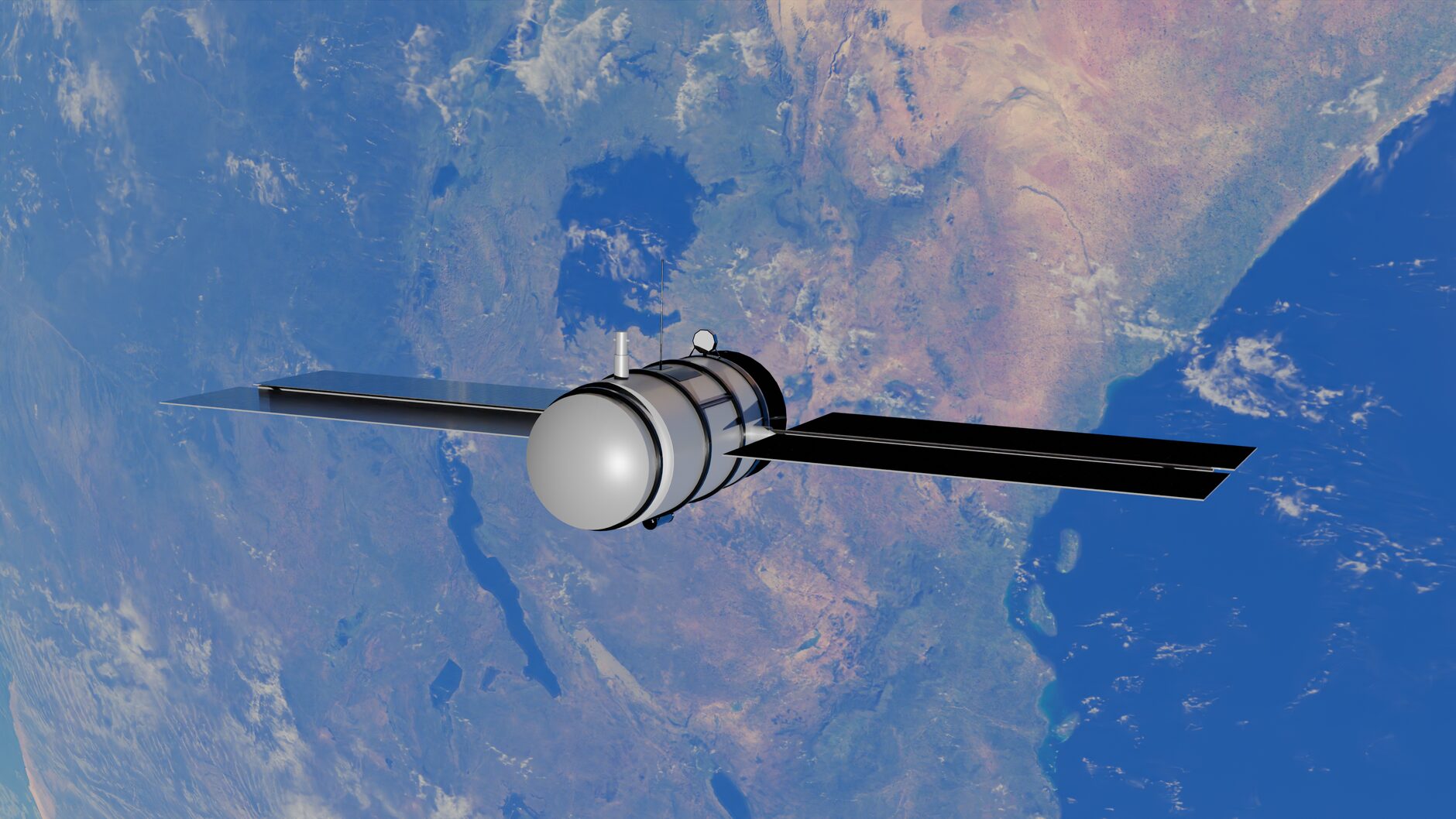
ISRO SpaDeX Satellite is making headlines as the SDX02 reentry is predicted due to an orbital decay. This event raises important questions about satellite management and space safety.
Understanding the ISRO SpaDeX Satellite
The ISRO SpaDeX Satellite is a groundbreaking advancement in space technology, designed to enhance tracking and monitoring of satellite reentries. This satellite, which stands for Space Debris Tracking and Experimental, utilizes advanced algorithms and state-of-the-art sensors to predict when and where satellites will reenter Earth’s atmosphere.
One of the key features of the ISRO SpaDeX Satellite is its ability to analyze orbital decay patterns. As satellites age, they experience a gradual loss of altitude due to atmospheric drag, leading to potential reentry. SpaDeX employs sophisticated models to forecast the trajectory of these objects, allowing for timely alerts and safety measures.
Some notable aspects of the ISRO SpaDeX Satellite include:
- Real-time Monitoring: Continuous tracking of satellite positions enhances prediction accuracy.
- Data Sharing: Collaboration with international space agencies to improve global safety protocols.
- Research Opportunities: Provides valuable data for studies on space debris and its impact on future missions.
With its innovative technology, the ISRO SpaDeX Satellite represents a significant leap forward in our ability to manage and mitigate the risks associated with space debris.
What Causes Satellite Reentry?
Satellite reentry is a phenomenon that occurs when a satellite’s orbit decays due to various factors. Understanding these factors is essential for organizations like ISRO, especially with the launch of the ISRO SpaDeX Satellite, which aims to enhance tracking capabilities.
Several elements contribute to the reentry of satellites:
- Atmospheric Drag: As a satellite orbits the Earth, it encounters air particles, which create drag. Over time, this drag slows the satellite down, causing its orbit to decay.
- Orbital Altitude: Satellites at lower altitudes experience more atmospheric resistance. Consequently, their orbits decay faster compared to those in higher orbits.
- Solar Activity: Increased solar activity can expand the Earth’s atmosphere, increasing drag on satellites and accelerating their descent.
- Orbital Maneuvers: Sometimes, satellites are intentionally deorbited through planned maneuvers. This is done to mitigate space debris and ensure safe reentry.
With the ISRO SpaDeX Satellite in play, tracking these factors and predicting reentry events will become more efficient, allowing for timely updates and enhanced safety measures.
Implications of SDX02 Reentry
The recent reentry of the ISRO SpaDeX Satellite, specifically the SDX02, carries significant implications for both space agencies and commercial satellite operators. As the satellite’s orbit decayed, it provided a real-time case study on the dynamics of satellite reentry.
One of the primary implications of this event is the increased need for accurate tracking and prediction systems. With the rise of satellite constellations, the potential for collisions during reentry becomes a pressing concern. The data gathered from the SDX02 reentry can help refine these prediction models, enhancing safety measures for future missions.
Furthermore, the reentry serves as a reminder of the importance of post-mission disposal strategies. The ISRO SpaDeX Satellite reinforces the notion that responsible satellite management must include mechanisms for deorbiting and mitigating space debris.
Finally, the implications extend to international collaboration, as countries and organizations must work together to share data and improve tracking technologies. The SDX02 reentry highlights a collective responsibility to ensure the sustainability of space activities for future generations.
- Enhanced tracking systems needed
- Importance of responsible disposal strategies
- Need for international cooperation
Space Safety and Satellite Management
The development of the ISRO SpaDeX Satellite represents a significant advancement in space safety and satellite management. As satellites operate in increasingly crowded orbits, ensuring their safe reentry is crucial to mitigate potential hazards on Earth. The SpaDeX satellite employs cutting-edge technology to monitor satellite trajectories, providing real-time data on their orbital decay.
One of the primary challenges in satellite management is accurately predicting when a satellite will reenter the Earth’s atmosphere. The SpaDeX system utilizes a combination of ground-based observations and onboard sensors to enhance prediction accuracy. This capability not only protects infrastructure on the ground but also contributes to space debris management.
Key features of the ISRO SpaDeX Satellite’s management system include:
- Real-time tracking: Continuous monitoring of satellite positions ensures timely updates on any potential risks.
- Data analysis: Advanced algorithms assess orbital mechanics to predict reentry events effectively.
- Collaboration: Working with international agencies to improve global satellite safety protocols.
With the successful implementation of the SpaDeX technology, the future of satellite management looks promising, paving the way for safer space operations.
Future of Satellite Technology
The future of satellite technology is poised for significant advancements, particularly with the emergence of innovative systems like the ISRO SpaDeX Satellite. As satellite missions become more complex and the need for effective tracking increases, the development of smart tracking solutions is essential.
One of the key trends is the integration of artificial intelligence (AI) and machine learning into satellite operations. These technologies enable real-time data analysis, enhancing the ability to predict satellite reentry and orbital decay with greater accuracy. Such advancements not only improve the safety of space operations but also mitigate the risks associated with space debris.
Moreover, collaborative efforts between space agencies and private companies are expected to lead to groundbreaking developments. By sharing data and resources, organizations can enhance satellite management strategies, ensuring that satellites like the ISRO SpaDeX Satellite operate efficiently and safely.
Additionally, the focus on sustainability in space operations will drive innovations in satellite design and functionality. This includes the development of satellites that can deorbit safely and contribute to a cleaner space environment.
Overall, the trajectory of satellite technology indicates a future where advanced systems enhance our understanding and management of space.
Photo by Zelch Csaba on Pexels
Where this came from
- Quantum Prediction 1931: Real Insights on Its Proven Impact
- NVS-03 satellite decision: What’s the right pyro valve choice?
- OPPO Find X10 Battery: The Best Proven Performance Boost