

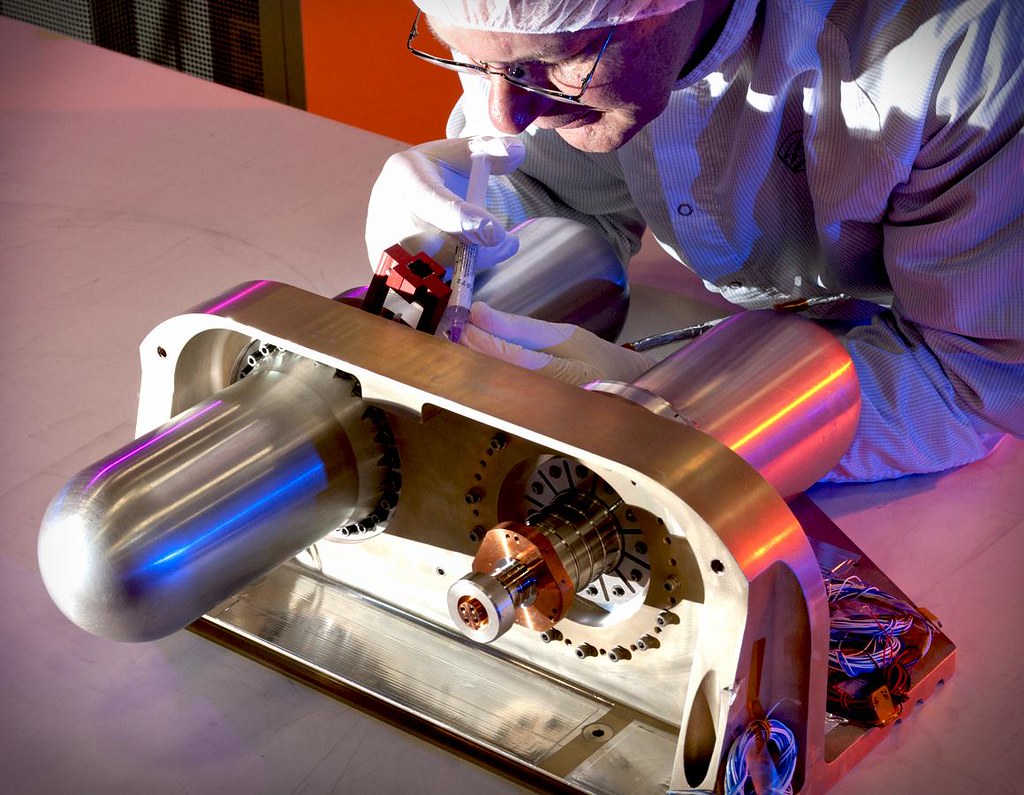
Boulder-built satellites are now in the spotlight following Spire’s successful launch of three on Transporter-18. This milestone marks a significant advancement in satellite technology.
Overview of Spire’s Launch
Spire Global, a prominent player in the aerospace industry, has successfully launched its first three Boulder-built satellites aboard the Transporter-18 mission. This significant milestone marks a new chapter in Spire’s efforts to enhance its satellite constellation and expand its data services. The Boulder-built satellites are designed to provide advanced capabilities in Earth observation and weather tracking, positioning Spire as a leader in data collection for various sectors.
The Transporter-18 mission, which took place recently, was executed by SpaceX, showcasing the growing collaboration between private aerospace companies. The launch vehicle was equipped with numerous small satellites, but the inclusion of Spire’s Boulder-built satellites highlights the innovative engineering and design capabilities that Boulder is known for.
Key features of the Boulder-built satellites include:
- Advanced Sensors: Equipped with cutting-edge technology to capture high-resolution data.
- Compact Design: Optimized for efficient deployment and operation in space.
- Enhanced Communication: Improved data transmission capabilities for real-time information access.
With these advancements, Spire aims to bolster its position in the competitive satellite market, offering unique solutions that leverage the strengths of Boulder-built satellites.
Details on Transporter-18 Mission
The Transporter-18 mission marked a significant milestone for Spire as it successfully launched three Boulder-built satellites into orbit. These satellites are part of Spire’s expanding constellation aimed at enhancing global data collection and monitoring capabilities.
The launch took place on January 13, 2023, aboard a SpaceX Falcon 9 rocket. This mission is noteworthy not just for its payload but also for the innovative technology involved in the design and construction of the Boulder-built satellites.
Key details about the Transporter-18 mission include:
- Launch Site: Cape Canaveral Space Force Station, Florida
- Payload Capacity: The Falcon 9 rocket carried over 100 small satellites, including Spire’s three Boulder-built models.
- Satellite Specifications: Each satellite is designed for high-frequency data collection, crucial for weather forecasting and maritime tracking.
- Partnerships: The project involved collaboration with various local tech companies in Boulder, emphasizing the region’s growing reputation in aerospace innovation.
In summary, the Transporter-18 mission not only showcased the capabilities of Spire’s Boulder-built satellites but also reinforced Boulder’s position at the forefront of satellite technology development.
Impact of Boulder-built Satellites
The recent launch of Boulder-built satellites marks a significant milestone for Spire, showcasing the capabilities of advanced satellite technology developed in Colorado. These satellites are designed to enhance data collection and improve global weather monitoring, demonstrating their potential impact on various industries.
The integration of Boulder-built satellites into Spire’s operations is poised to deliver numerous benefits:
- Enhanced Data Accuracy: The precision of these satellites allows for more reliable weather forecasting, which is crucial for sectors such as agriculture and logistics.
- Real-Time Monitoring: With improved satellite technology, Spire can provide real-time updates, enabling timely responses to changing weather conditions and natural disasters.
- Cost Efficiency: The use of Boulder-built satellites may lead to reduced operational costs, making data services more accessible to various clients.
- Innovation in Technology: The successful deployment underscores the innovative spirit of Boulder’s aerospace community, fostering further advancements in satellite design and engineering.
As Spire continues to expand its fleet, the impact of these Boulder-built satellites will become increasingly apparent, paving the way for future advancements in satellite technology and data utilization.
Future of Satellite Technology
The landscape of satellite technology is rapidly evolving, and Boulder-built satellites are at the forefront of this transformation. As space exploration becomes increasingly accessible, these innovative platforms are set to play a pivotal role in various sectors, including climate monitoring, disaster response, and global communication.
One of the core advantages of Boulder-built satellites lies in their modular design, which allows for customized configurations tailored to specific mission requirements. This flexibility not only enhances their functionality but also reduces development time and costs. As a result, companies like Spire are able to deploy advanced satellite systems more efficiently than ever before.
Looking ahead, the integration of artificial intelligence and machine learning into satellite operations is expected to revolutionize data processing and analysis. Boulder-built satellites will likely lead the charge in adopting these technologies, enabling real-time decision-making and improved predictive capabilities.
Furthermore, as the demand for satellite services continues to rise, Boulder-built satellites are well-positioned to contribute to a sustainable space economy. Their focus on innovation and adaptability makes them essential players in addressing the challenges posed by climate change and urbanization.
- Modular design for customized configurations
- Integration of AI and machine learning
- Contributing to a sustainable space economy
Challenges in Satellite Launches
The journey of launching satellites is often fraught with various challenges that can impact overall mission success. For Boulder-built satellites, these challenges are particularly relevant due to the unique nature of their design and functionality.
- Technical Complexities: Each satellite must undergo rigorous testing and validation to ensure it can withstand the harsh conditions of space. This includes addressing potential issues such as thermal management, radiation exposure, and system integration.
- Regulatory Hurdles: Navigating the regulatory landscape is another significant challenge. Companies must comply with national and international guidelines, which can delay launch timelines and increase costs.
- Launch Vehicle Limitations: The choice of launch vehicle is critical. Boulder-built satellites have specific weight and size constraints that must align with the capabilities of the launch vehicle, impacting overall mission planning.
- Market Competition: The growing number of satellite manufacturers means increased competition for launch slots. This saturation can lead to scheduling conflicts and a race against time to secure opportunities for launching Boulder-built satellites.
Despite these challenges, the recent success of Spire’s Boulder-built satellites on the Transporter-18 mission demonstrates resilience and innovation in overcoming such obstacles.
Reactions from the Space Community
Reactions from the space community have been overwhelmingly positive following the successful launch of Spire’s Boulder-built satellites. Industry experts and space enthusiasts alike have expressed enthusiasm about the implications of this achievement for the future of satellite technology.
Many experts highlighted the innovative engineering behind the Boulder-built satellites, emphasizing their ability to perform complex tasks while remaining compact and efficient. Dr. Maria Gonzalez, a leading aerospace engineer, stated, “The launch marks a significant milestone not just for Spire, but for all Boulder-based aerospace efforts. It showcases the city’s growing role in the satellite industry.”
Furthermore, several commentators pointed out the collaborative spirit within the Boulder space community. John Tanaka, a satellite analyst, remarked, “This success is a testament to the hard work and dedication of local companies and universities. It’s inspiring to see Boulder-built satellites taking their place in orbit.”
Social media platforms have also seen a surge of excitement, with users sharing videos of the launch and congratulating Spire on their achievement. Emily Chen, an aerospace policy advocate, tweeted, “The future looks bright for Boulder-built satellites! This is just the beginning.”
The momentum generated by this launch is expected to fuel further investments and interest in Boulder’s burgeoning space sector.
Conclusion and Next Steps
In conclusion, the successful launch of Boulder-built satellites marks a significant milestone for both Spire and the broader satellite industry. The deployment of these cutting-edge satellites aboard the Transporter-18 mission demonstrates not only the technological advancements achieved in Boulder but also the growing importance of regional contributions to space exploration.
The achievements of Spire’s Boulder-built satellites set a precedent for future endeavors in satellite technology. As the demand for data and communication capabilities continues to rise, the innovative approaches developed in Boulder can serve as a model for other companies and organizations looking to enhance their satellite capabilities.
Next steps include a thorough assessment of the performance of these satellites in orbit. Spire plans to gather data on their operational efficiency and reliability, which will inform future designs and deployments. Additionally, collaborations with local research institutions may pave the way for more advanced satellite systems that leverage the unique strengths of Boulder’s technology sector.
As the space community continues to react positively to the launch, stakeholders are optimistic about the potential growth of Boulder-built satellites in upcoming missions. The success of this launch could inspire further investment and innovation in the region, solidifying Boulder’s reputation as a hub for satellite development.
By NASA Goddard Photo and Video via Openverse
Sources
Related stories
Foldable iPhone Production Issues: Worst Delays Ahead · Samsung Galaxy F08 M08: Are They Worth the Hype? · OpenMandriva Lx 26.09: Is This the Best KDE Plasma Release?