

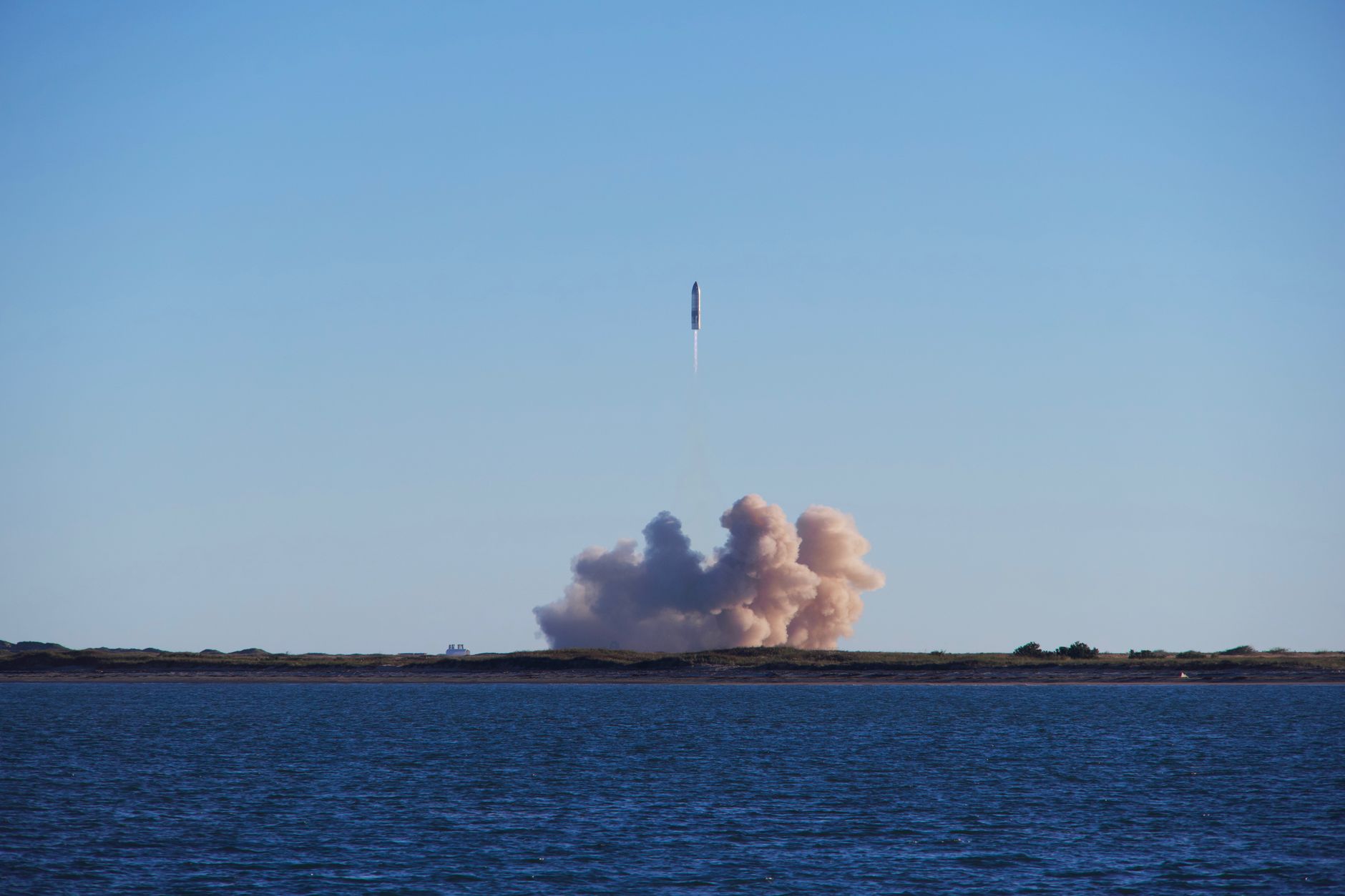
The Copernicus Sentinel-3C launch has successfully taken place, enhancing our capabilities in Earth observation. This mission is a part of the European Space Agency’s efforts to monitor our planet’s health and environment.
Overview of the Copernicus Program
The Copernicus Program is a flagship initiative of the European Union aimed at providing high-quality, timely, and accessible environmental data. It consists of a series of satellites and in-situ measurements that monitor the Earth’s land, oceans, and atmosphere. One of the key components of this program is the Copernicus Sentinel-3C launch, which aims to enhance the capabilities of Earth observation.
Sentinel-3C, along with other Sentinel satellites, focuses on various applications including climate monitoring, disaster management, and agricultural practices. The program provides essential data that supports environmental protection and sustainable development.
Through its advanced technology, the Sentinel satellites deliver precise information about sea surface temperature, ocean color, and land surface changes. This data is critical for policymakers, researchers, and businesses involved in environmental management.
Moreover, the Copernicus Program fosters collaboration among European nations and promotes the sharing of knowledge and resources. As climate change and environmental degradation pose significant challenges, the insights gained from the Copernicus satellites are becoming increasingly vital for informed decision-making.
- Key Objectives:
- Monitoring land and ocean resources
- Supporting climate change initiatives
- Enhancing disaster response capabilities
Significance of the Sentinel-3C Launch
The launch of the Copernicus Sentinel-3C holds significant implications for Earth observation and environmental monitoring. This satellite is part of the larger Copernicus Program, which aims to provide accurate and timely information about our planet.
With its advanced capabilities, Sentinel-3C will contribute to various applications, including:
- Climate Change Monitoring: The satellite will help track changes in land and ocean temperatures, allowing scientists to analyze climate patterns more effectively.
- Agricultural Management: By providing data on vegetation health, Sentinel-3C can assist farmers in optimizing crop yields and managing resources sustainably.
- Disaster Response: The satellite’s ability to monitor natural disasters, such as floods and wildfires, will enhance response efforts and help mitigate damages.
- Marine and Coastal Monitoring: Sentinel-3C will improve understanding of ocean dynamics, contributing to better management of marine ecosystems.
Overall, the successful launch of the Copernicus Sentinel-3C not only enhances our observational capabilities but also plays a crucial role in fostering informed decision-making for environmental sustainability.
What is the FLEX Satellite?
The FLEX satellite, part of the Copernicus program alongside the recently launched Copernicus Sentinel-3C, is designed to monitor and assess the health of vegetation across the globe. This innovative satellite utilizes advanced technology to measure chlorophyll fluorescence, which is an indicator of plant health and photosynthetic activity.
By providing real-time data, the FLEX satellite offers critical insights into how vegetation responds to environmental changes, such as climate variability and human activities. The mission aims to support various applications, including:
- Agriculture: Enhancing crop monitoring and yield predictions.
- Forestry: Managing forest resources and monitoring deforestation.
- Climate Research: Understanding the role of plants in the carbon cycle.
FLEX is expected to complement the capabilities of the Copernicus Sentinel-3C launch, which focuses on ocean and land monitoring. Together, these satellites will provide comprehensive data to improve environmental management and policy-making. As part of the broader Copernicus initiative, FLEX represents a significant step forward in Earth observation technology, ensuring that vital information is accessible for tackling global challenges.
Future Implications for Earth Monitoring
The successful launch of the Copernicus Sentinel-3C satellite marks a significant advancement in Earth observation technology, with far-reaching implications for future environmental monitoring efforts. As part of the Copernicus Program, Sentinel-3C is designed to provide critical data on various terrestrial and marine phenomena.
One of the primary implications of this launch is the enhancement of climate monitoring capabilities. The data collected by Sentinel-3C will allow scientists to better understand changes in sea levels, ocean temperatures, and land use. This information is vital for developing strategies to combat climate change and mitigate its effects on ecosystems and human populations.
Moreover, the satellite’s capabilities in monitoring natural disasters such as floods and wildfires will improve response times and resource allocation during emergencies. Sentinel-3C’s advanced sensors will facilitate real-time data sharing with relief agencies, ensuring that communities receive timely assistance.
Furthermore, the launch will foster international collaborations in Earth observation, as data from Sentinel-3C will be accessible to researchers and policymakers worldwide. This collaborative approach will enhance global efforts to achieve sustainable development goals.
In summary, the Copernicus Sentinel-3C launch is not just a technological achievement; it holds the potential to transform how we monitor and respond to changes on our planet.
The Copernicus Sentinel-3C launch promises to enhance our understanding of Earth’s oceans and land surfaces. As scientists eagerly await the data, many are debating whether the Copernicus Sentinel-3C launch truly represents the best space mission to date.
Photo by Forest Katsch on Pexels
Sources
You might also like
- ESPN Host Phone Call: Traumatic Exit Revealed in Honest Interview
- Is the Wo Long 2 alpha demo the Best Gaming Experience?
- Vivo V80 launch: Exciting New Features and Design Revealed