

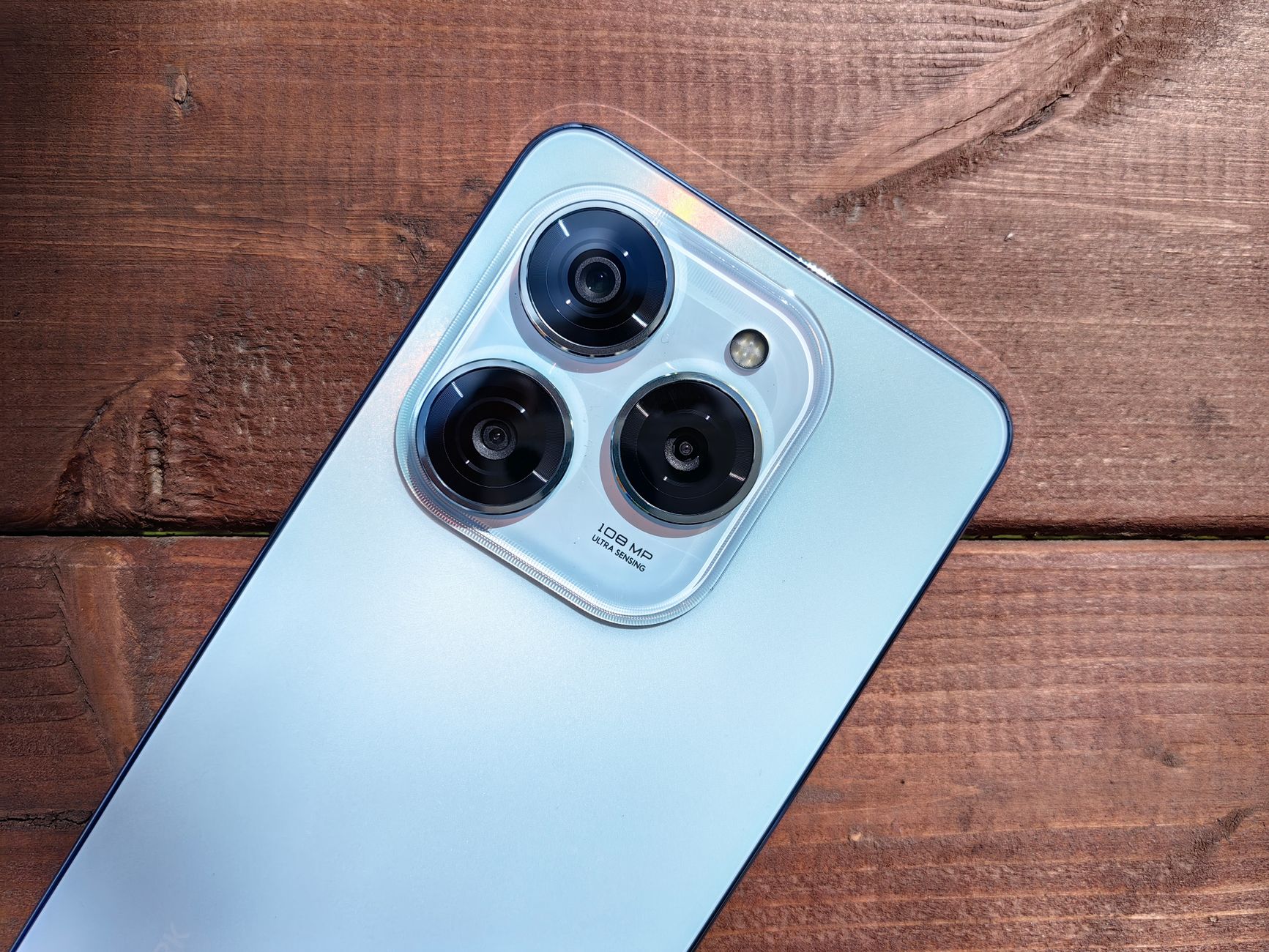
The 200-megapixel smartphone is revolutionizing mobile photography. With incredible advancements in camera technology, these devices are set to impress both casual users and photography enthusiasts alike.
What is a 200-megapixel smartphone?
A 200-megapixel smartphone represents a significant advancement in mobile photography, offering unprecedented detail and clarity in images. This high-resolution capability allows users to capture stunning photos that can be cropped or enlarged without losing quality. The introduction of such powerful cameras is reshaping the smartphone market, as manufacturers aim to attract photography enthusiasts and casual users alike.
These smartphones typically incorporate advanced image processing technologies to enhance photo quality further. Features often include:
- High Dynamic Range (HDR): Improves contrast and color accuracy.
- Optical Image Stabilization (OIS): Reduces blurriness in photos taken in low light.
- Multi-frame processing: Combines several shots into one high-quality image.
While the allure of a 200-megapixel smartphone is undeniable, potential buyers should consider whether these features align with their photography needs and usage habits.
Key features of premium smartphones
As the competition in the smartphone market intensifies, premium devices are incorporating cutting-edge features to attract tech enthusiasts. One of the standout attributes is the introduction of the 200-megapixel smartphone, offering extraordinary detail in photography. Here are some key features to consider when evaluating premium smartphones:
- Camera Quality: Enhanced sensors allow for stunning images, especially in low light conditions.
- Display Technology: High-resolution screens provide vibrant colors and sharp visuals, enhancing media consumption.
- Battery Life: Advanced power management ensures long-lasting usage, even with demanding applications.
- Processor Speed: Top-tier processors enable seamless multitasking and gaming experiences.
- Software Updates: Frequent updates guarantee users access to the latest features and security improvements.
When considering a premium smartphone, it’s essential to weigh these features against your personal needs and preferences.
How does a rear screen enhance usability?
The introduction of a rear screen on smartphones is creating a new dimension in usability, particularly for models featuring advanced specifications like the 200-megapixel smartphone. This secondary display can significantly enhance the user experience in various ways.
- Selfies and Vlogging: With a rear screen, users can easily frame their selfies and video content, ensuring they capture the perfect shot without relying on guesswork.
- Notifications at a Glance: A rear display can show essential notifications, allowing users to stay updated without needing to wake the main screen.
- Enhanced Interactivity: Users can interact with their device in new ways, such as using the rear screen for quick photo previews or as a mirror during calls.
- Creative Options: The dual-screen setup opens up possibilities for creative photography, especially with high-resolution capabilities offered by a 200-megapixel smartphone.
Overall, a rear screen can significantly improve usability, making smartphones more versatile and user-friendly.
Comparing camera capabilities of top brands
As smartphone technology evolves, the competition among top brands intensifies, particularly in the realm of photography. The introduction of the 200-megapixel smartphone has shifted the landscape, prompting major brands to enhance their camera capabilities.
When comparing the camera features of leading smartphones, several factors come into play:
- Resolution: A 200-megapixel smartphone offers stunning image clarity, but brands are also focusing on improving other aspects like low-light performance.
- Lens Quality: The quality of the lens and the aperture size significantly influence the overall image output, often more than just megapixels alone.
- Software Optimization: Advanced image processing algorithms can make a difference, enabling features like night mode and portrait effects.
- Video Capabilities: The ability to shoot high-resolution video is increasingly important, with many consumers seeking seamless 4K or even 8K recording options.
Ultimately, choosing the right smartphone depends on individual preferences and needs, making it essential to evaluate these features carefully.
The future of smartphone photography
The future of smartphone photography is evolving rapidly, with innovations pushing the boundaries of what’s possible. The introduction of the 200-megapixel smartphone signifies a significant leap in camera technology, allowing for unprecedented detail and clarity in images. As manufacturers strive to outdo each other, we can expect to see features that enhance not only image quality but also user experience.
- Advanced computational photography: This technology helps smartphones process images in real-time, resulting in stunning low-light performance and improved dynamic range.
- AI enhancements: Artificial intelligence is increasingly used to optimize camera settings automatically, making photography more accessible to casual users.
- Increased versatility: With multiple lenses and advanced zoom capabilities, the ability to capture various perspectives will continue to improve.
As smartphone cameras become more sophisticated, the 200-megapixel smartphone may not only appeal to professionals but also to everyday users looking to elevate their photography game.
Are 200-megapixel cameras worth the hype?
The introduction of the 200-megapixel smartphone has sparked significant debate among tech enthusiasts and casual users alike. While manufacturers tout these high-resolution cameras as revolutionary, the real question remains: are they worth the hype?
Supporters argue that such high pixel counts can enhance image quality, especially when zooming in on details or cropping photos. However, critics point out that megapixels are just one aspect of a camera’s performance. Other factors, including lens quality, sensor size, and software optimization, play crucial roles in determining the overall photography experience.
- Image Processing: Advanced algorithms can make a difference in how well a photo turns out.
- Low Light Performance: Higher megapixels may not always translate to better images in dim conditions.
- Storage Considerations: Users must also consider the storage space required for high-resolution images.
Ultimately, whether a 200-megapixel smartphone is the best choice depends on individual needs and how one prioritizes camera features.
User reviews on new smartphone features
User reviews have flooded in regarding the latest 200-megapixel smartphone, highlighting both excitement and skepticism. Many users praise the impressive detail and clarity offered by the high-resolution camera, stating it captures images with remarkable precision. A user remarked, “The quality of photos is unlike anything I’ve experienced before; it feels like carrying a professional camera in my pocket.”
However, some users have expressed concerns about the practical benefits of such a high megapixel count. “While the photos are stunning, I question whether I truly need 200 megapixels for everyday use,” one reviewer noted. Additionally, battery life has been a topic of discussion, as the demand for processing power can impact longevity.
Overall, consumer feedback suggests that while the 200-megapixel smartphone offers groundbreaking features, it may not be the best choice for everyone. Users are encouraged to weigh their photography needs against the smartphone’s capabilities before making a purchase.
Latest trends in smartphone technology
The smartphone industry is witnessing rapid advancements, with manufacturers continually pushing the boundaries of technology. One of the most prominent trends is the emergence of the 200-megapixel smartphone, which promises unprecedented image clarity and detail. As brands compete to capture market share, features like enhanced camera systems, foldable displays, and improved battery life are becoming standard.
Additionally, artificial intelligence is playing a significant role in smartphone photography, allowing for smarter processing of images and improved low-light performance. Consumers can now enjoy features such as:
- Real-time image enhancement
- AI-driven photography modes
- Improved video stabilization
Moreover, the integration of 5G technology is set to revolutionize the way users share and experience content, making high-resolution images and videos easily accessible. As these trends evolve, potential buyers must consider whether a 200-megapixel smartphone aligns with their needs and preferences.
Photo by Andrey Matveev on Pexels
Read the original
Related stories
- CBRS Stock Price Forecast: Worst Pullback Yet with Proven Risks
- ISRO SpaDeX Satellite: The Smart Way to Track Reentry
- Quantum Prediction 1931: Real Insights on Its Proven Impact